
There is no standard for living rooms, but reliable values from practice: between 0.4 and 0.6 s a living room sounds calm. The calculator starts with 78 m³ (Living room, open kitchen), guide value 0.50 s (0.40 to 0.60), and suggests matching acoustic pictures or rafts from 2,004 products with measured data.
Guide values by standard
No standard names a target value for living rooms; the table shows the value from practice and, where available, requirements of other countries.
| Standard | Use | 50 m³ | 80 m³ | 120 m³ |
|---|---|---|---|---|
| Experience values, no standardexperience value | Living room, open kitchen | 0.50 s (0.40 to 0.60) | 0.50 s (0.40 to 0.60) | 0.50 s (0.40 to 0.60) |
Typical measures
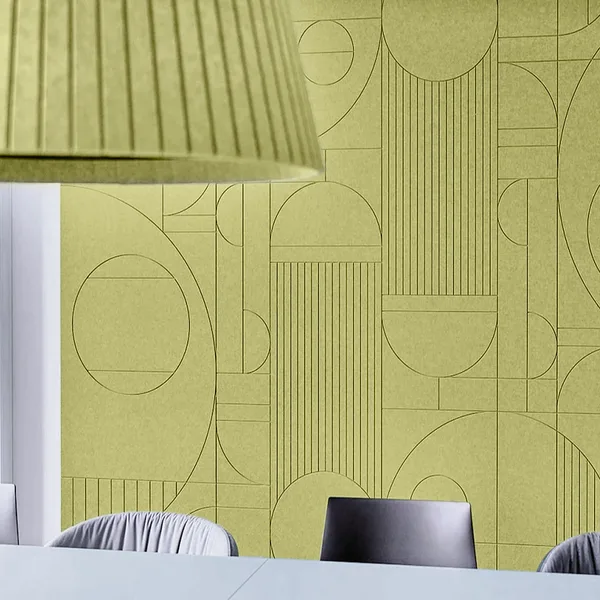
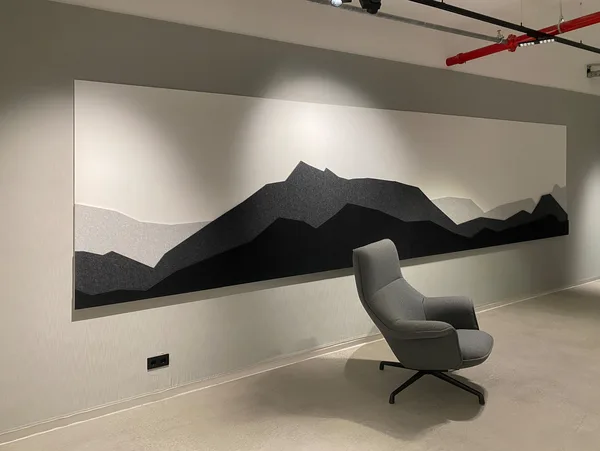
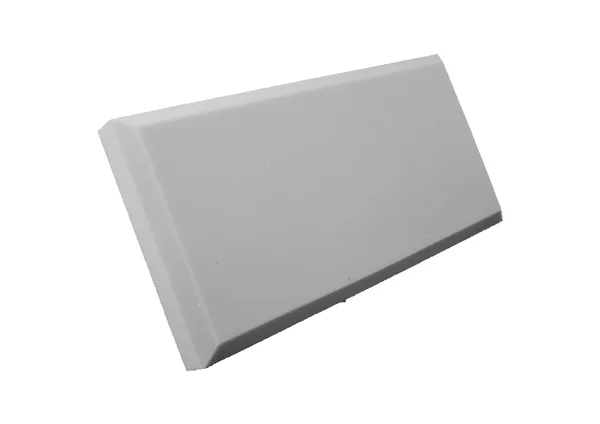
- Acoustic pictures or fabric panels opposite the sofa and next to the TV.
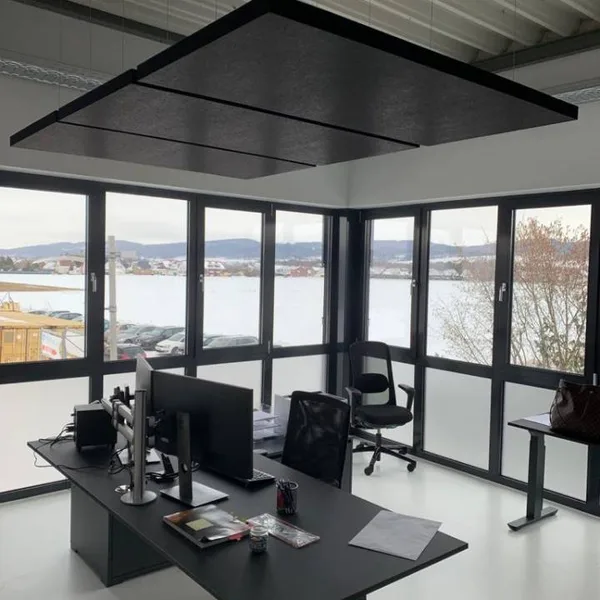
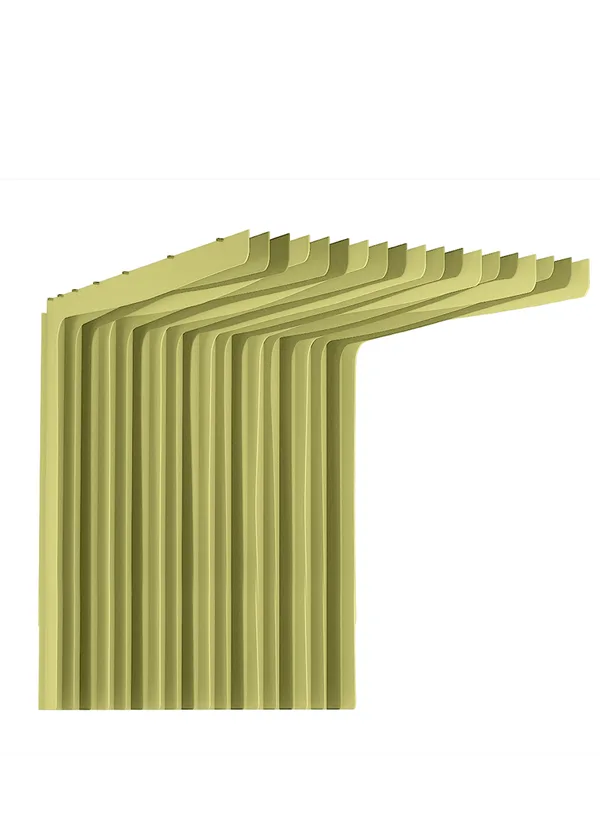
- One ceiling raft above the dining table in the open kitchen.
- Carpet, curtains and shelves help at high frequencies, low frequencies need mounting depth.
- For home cinema, try the use home office or music room.
Acoustic pictures, panels and ceiling rafts with measured data
All products in the search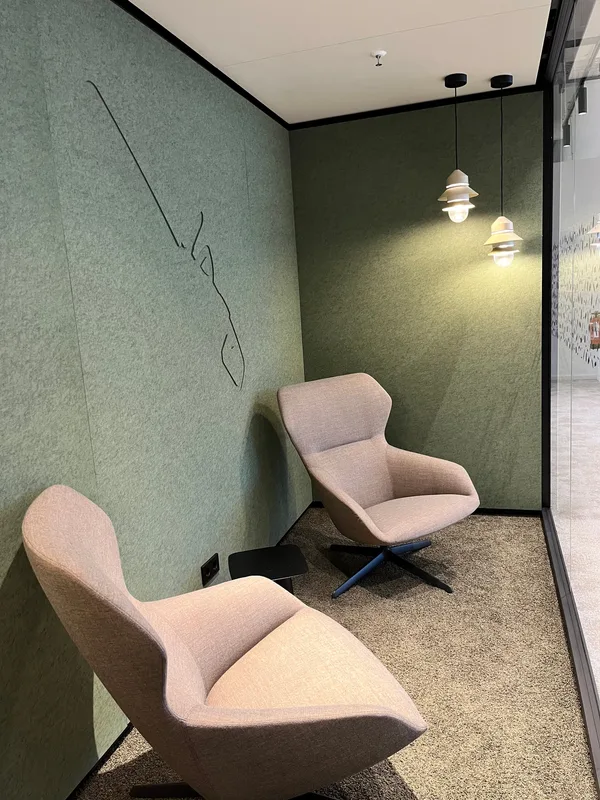
Frequently asked questions
What reverberation time is pleasant in a living room?
Values from practice lie between 0.4 and 0.6 s. An empty living room with parquet and glass is often at 1 s; sofa, carpet and curtains bring it to 0.7 to 0.8 s.
Why does my open kitchen echo?
Large glass areas, hard floors and little textile reflect, and the large volume lengthens the reverberation. A ceiling raft above the dining table and one or two acoustic pictures are often enough.
How many acoustic pictures do I need?
A living room of 80 m³ often lacks 6 to 10 m² of absorption area, so two or three acoustic pictures of 1.2 × 0.8 m with αw 0.8 or one ceiling raft.
Other room types
Formulas, DIN 18041 and worked example on the calculator page