Acoustic IndexAcoustic Index
RicercaAPI
Per professionistiPer produttori
  1. Home
  2. /Acoustic solutions
  3. /Sound absorbers: types, effect and selection

Sound absorbers: types, effect and selection

A sound absorber is usually a porous material that converts sound energy into heat and so reduces reflections and reverberation. The main forms are ceiling absorbers, wall absorbers, free-standing partitions and suspended ceiling rafts or baffles. A strong broadband absorber reaches αw 0.8 to 1.0.

Porous absorbers such as mineral wool, polyester fibre or melamine foam slow the air movement inside their fine pores. The sound energy is turned into a small amount of heat instead of being reflected off the hard surface. Depending on thickness, material and mounting gap, an absorber works more strongly at high frequencies or also at low ones.

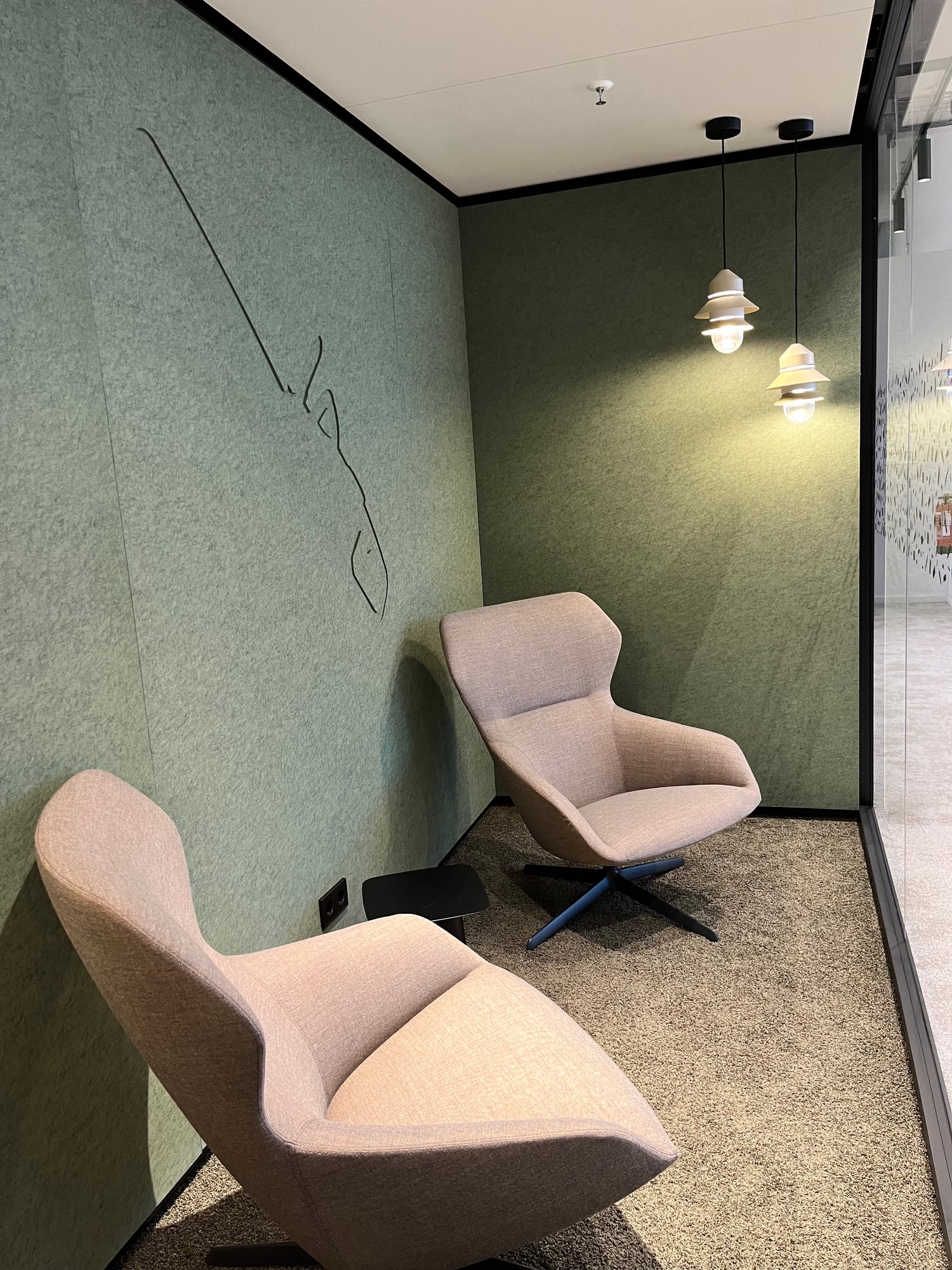
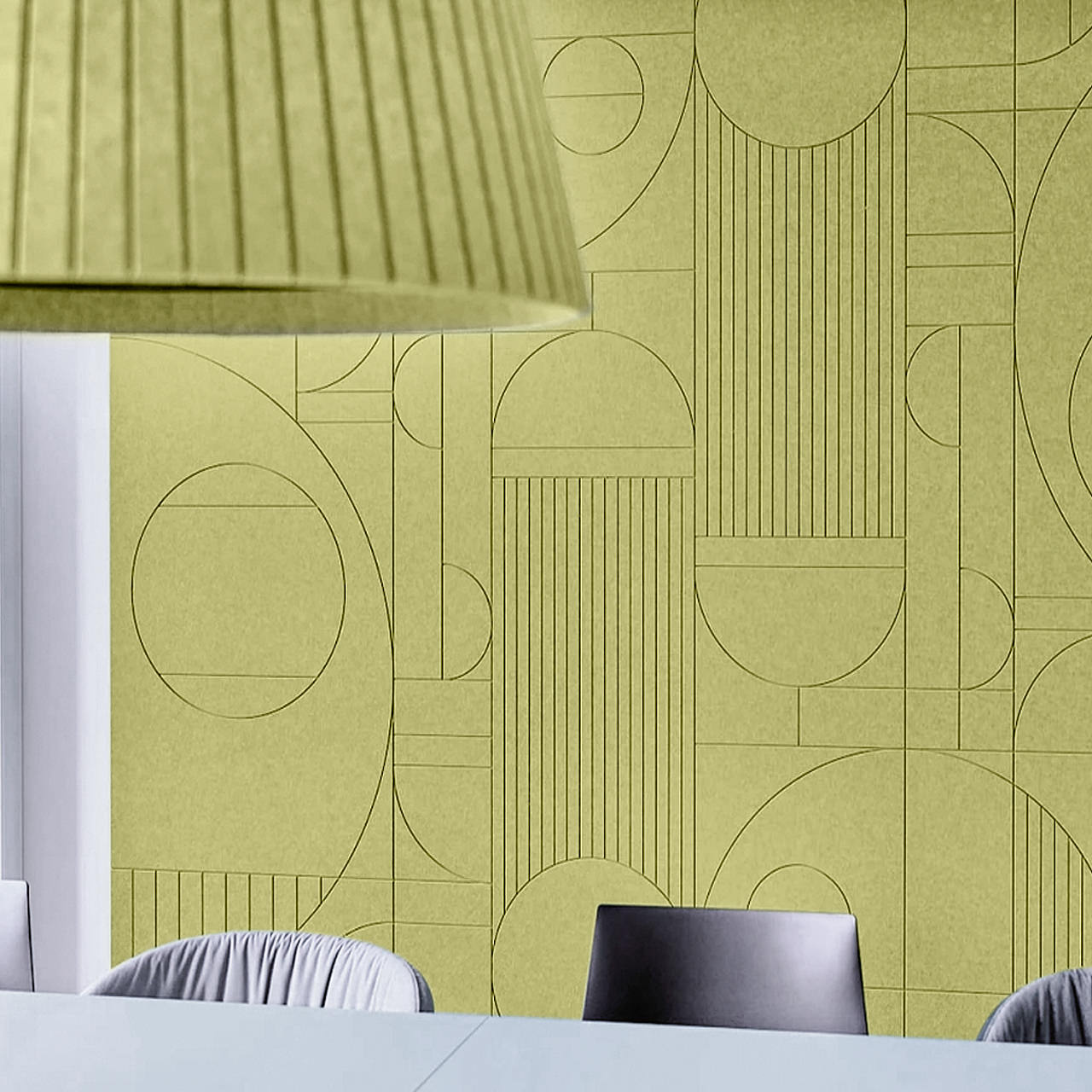
Which type fits depends on the room, the problem frequency range and the available surface. The ceiling is usually the largest free surface and lowers the overall level most effectively. Wall absorbers damp targeted reflections, free-standing partitions separate workstations, and suspended rafts or baffles help in tall rooms with little usable wall area.

Last updated: 28 giugno 2026

ceiling, wall, free-standing, suspended
4 forms
absorption coefficient
αw 0 to 1
strong broadband absorber
αw up to 1.0
measurement method
Reverberation chamber

Interactive

Which absorber type fits your room?

Three questions, one recommendation. The rest of the page explains the logic.

What is the problem?

Which surface is free?

Should it be visible?

Our recommendation

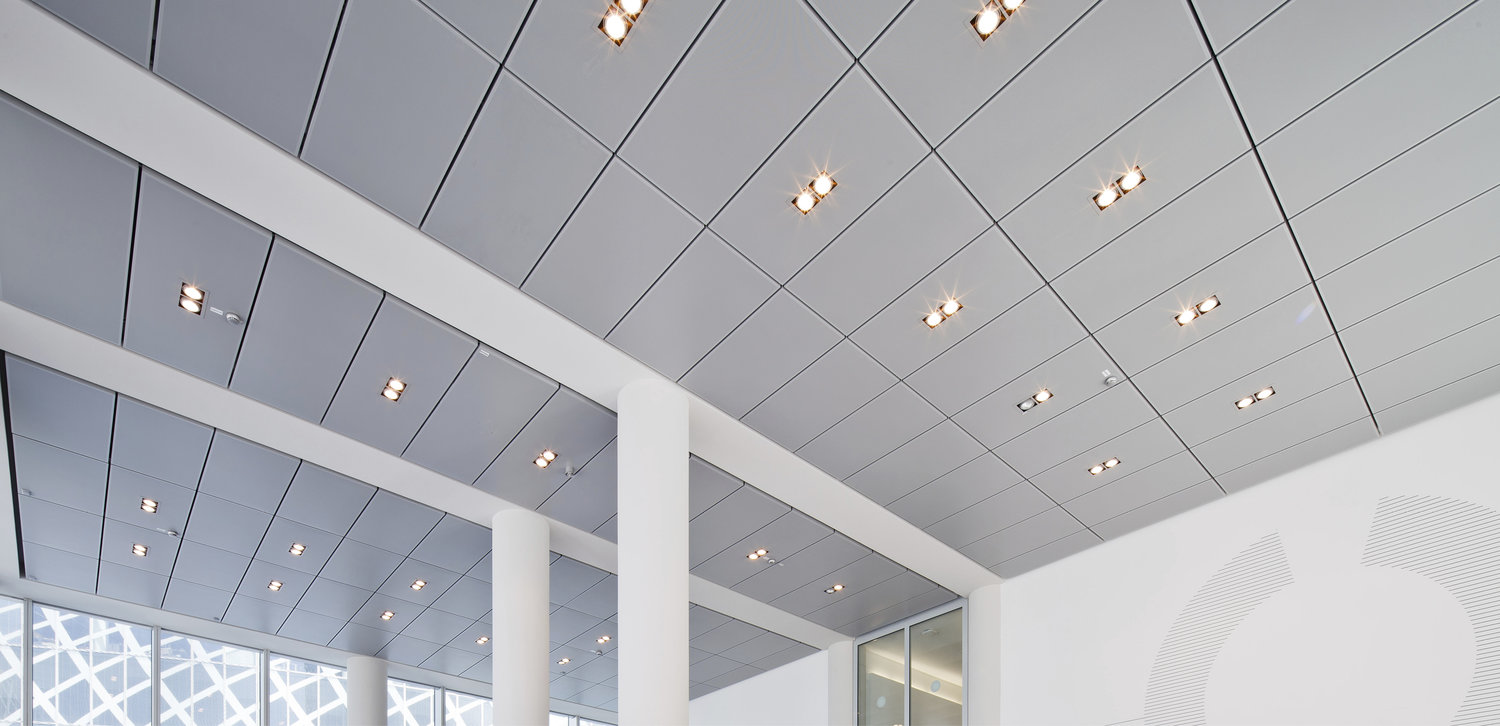
Acoustic ceilings: systems, values and sizingThe ceiling is the largest uninterrupted surface in a room. Four system families, their typical αw values and the DIN 18041 sizing.

The ceiling carries the baseline absorption for the whole room without taking a wall.

Size the need in the calculator

Sound absorbers with measurement data

Absorbers of every form with stored measurement values, sorted by absorption coefficient.

View all in search
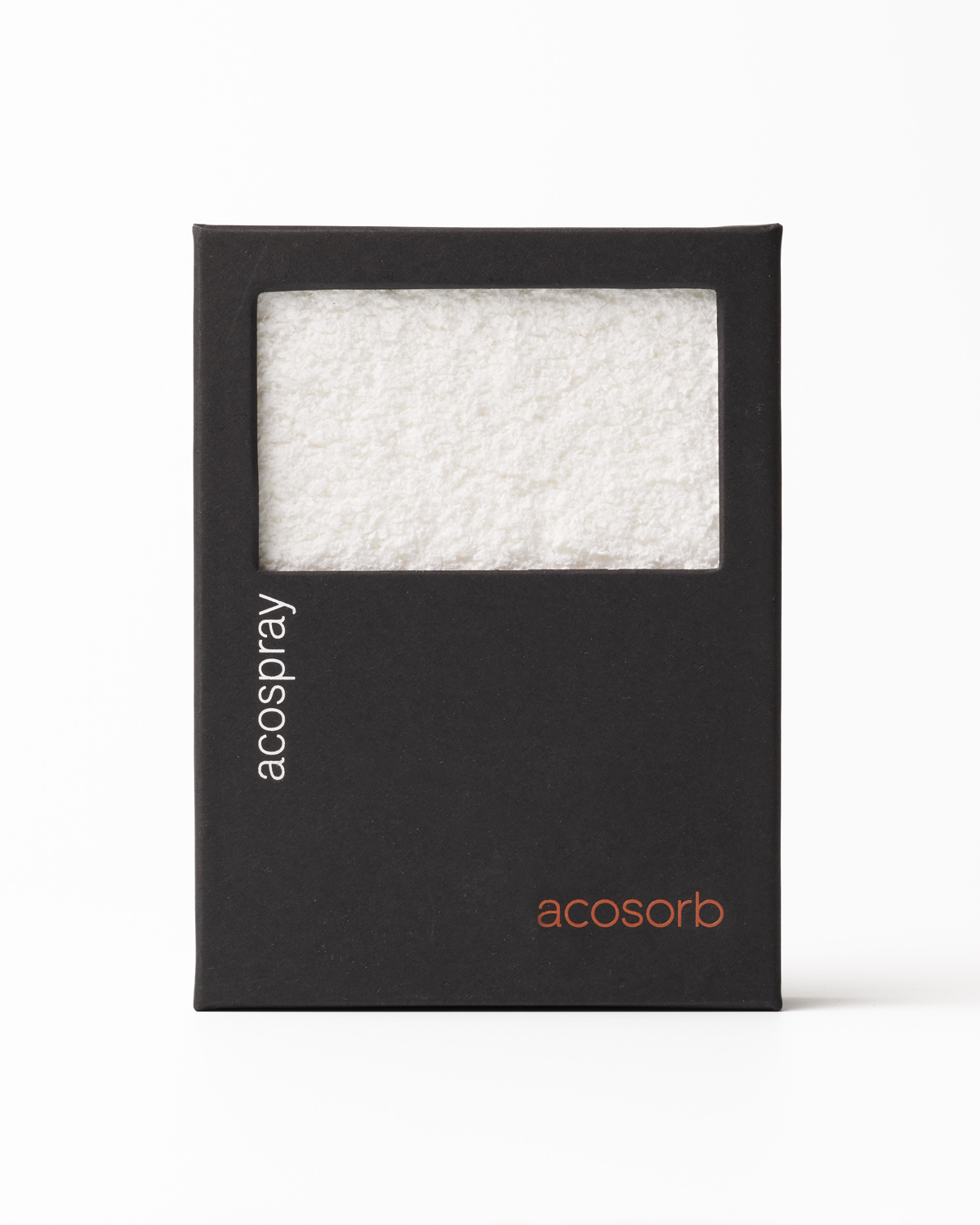
  • Acospray DC1αw 1,00

    Acosorb

    Acospray DC1

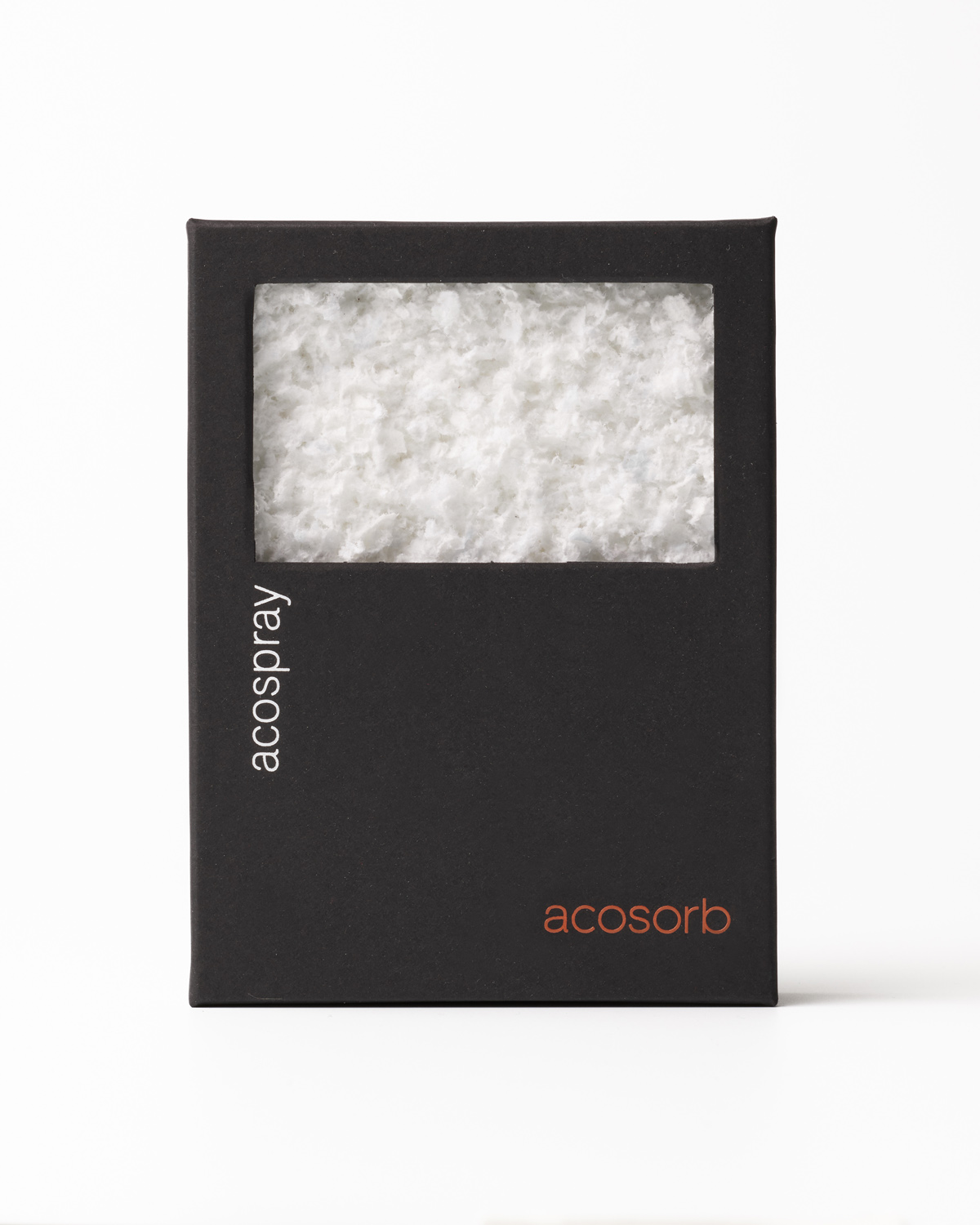
  • Acospray DC3αw 1,00

    Acosorb

    Acospray DC3

  • alpha AKUSTIK NANOLITEαw 1,00

    alpha AKUSTIK

    alpha AKUSTIK NANOLITE

  • aPerf® padαw 1,00

    BK Raumakustik

    aPerf® pad

  • aPerf® panelαw 1,00

    BK Raumakustik

    aPerf® panel

  • aPerf® panel colourαw 1,00

    BK Raumakustik

    aPerf® panel colour

  • aPerf® woolαw 1,00

    BK Raumakustik

    aPerf® wool

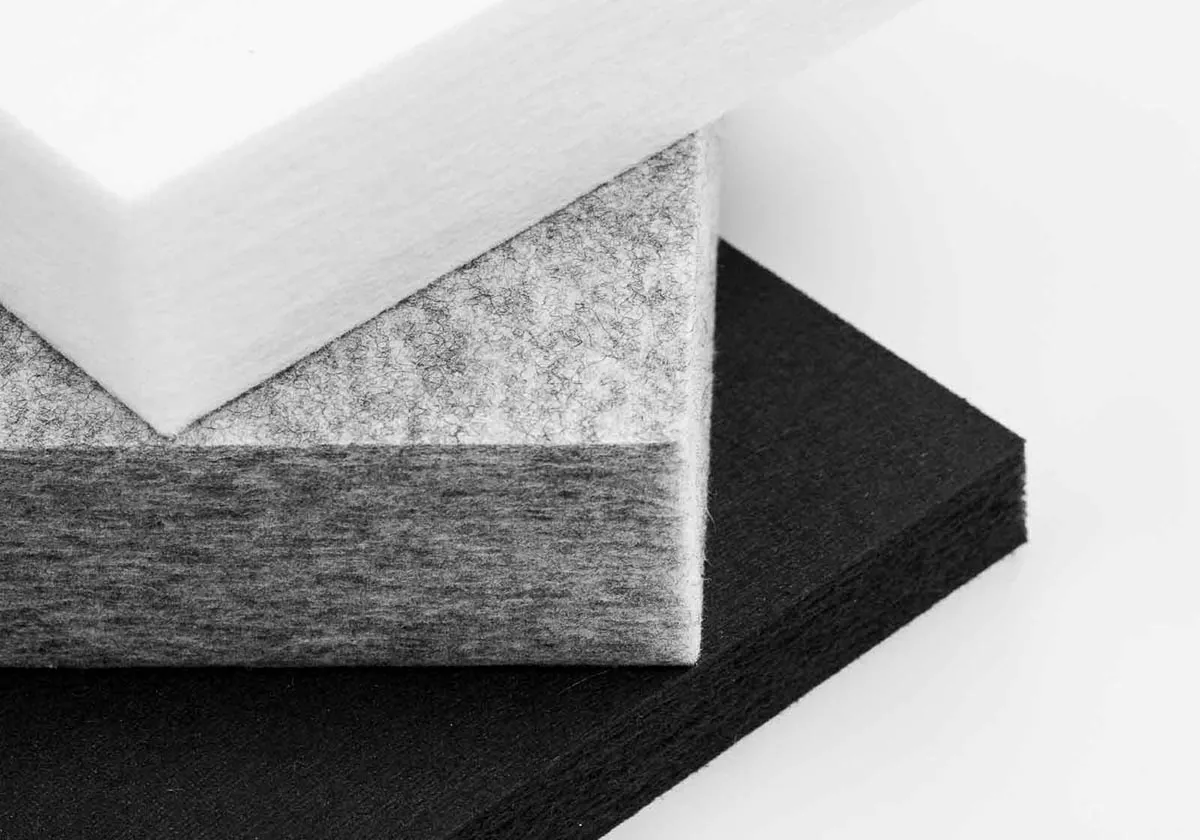
  • B11 Archisonic Feltαw 1,00EPD

    B11

    B11 Archisonic Felt

  • Controsoffitto metallico a cassette FURALαw 1,00EPD

    Fural Systeme in Metall GmbH

    Controsoffitto metallico a cassette FURAL

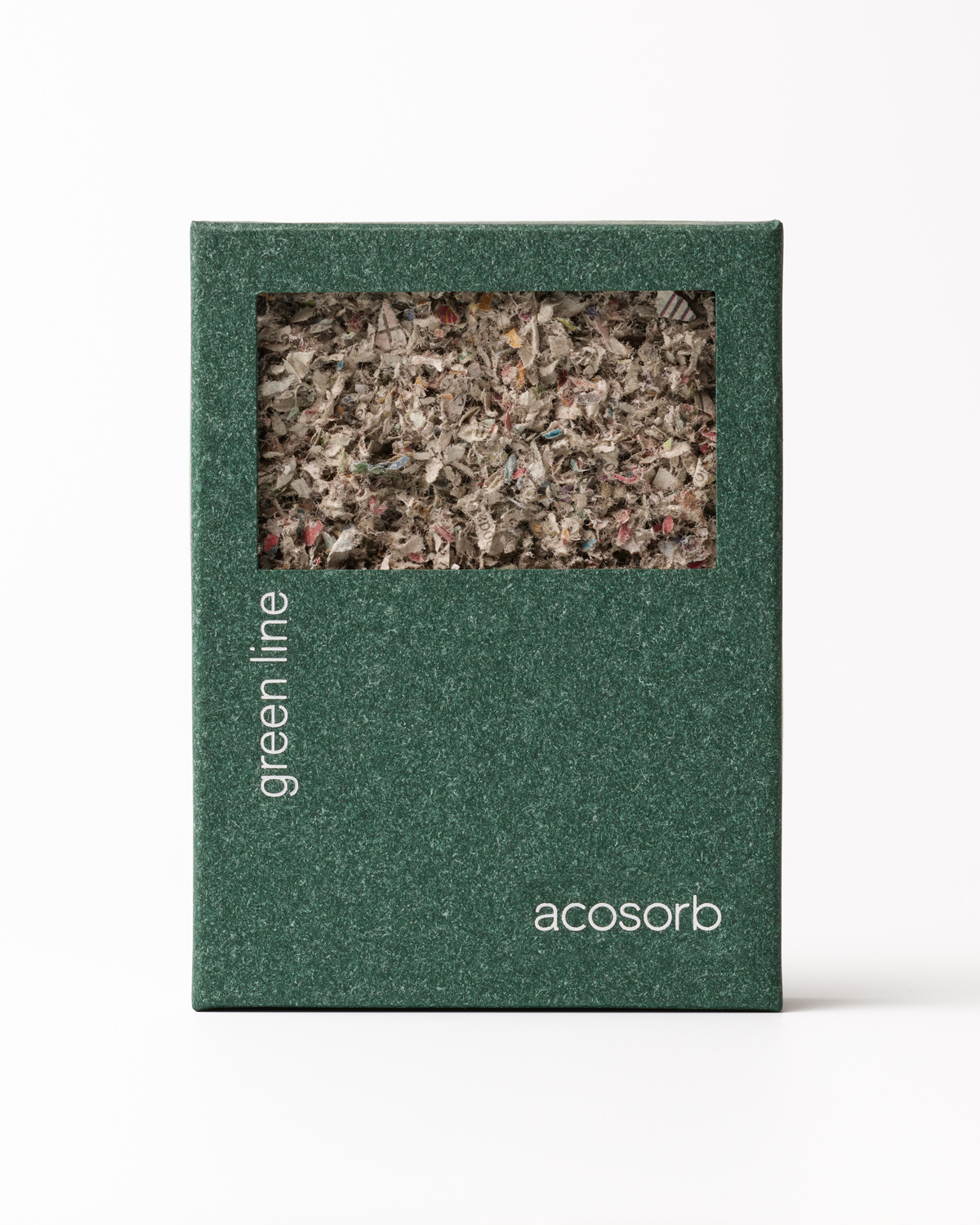
  • Green Lineαw 1,00

    Acosorb

    Green Line

  • Isola fonoassorbente a soffitto SilentRoot cloudαw 1,00EPD

    SilentFiber

    Isola fonoassorbente a soffitto SilentRoot cloud

  • LinePerf®αw 1,00

    BK Raumakustik

    LinePerf®

Sound absorber forms compared

Sound absorber forms compared
EffectTypical αwMountingBest for
Ceiling absorberLowers the overall level across the room0.8–1.0Flat on the ceiling or undersideLarge rooms, offices, hospitality
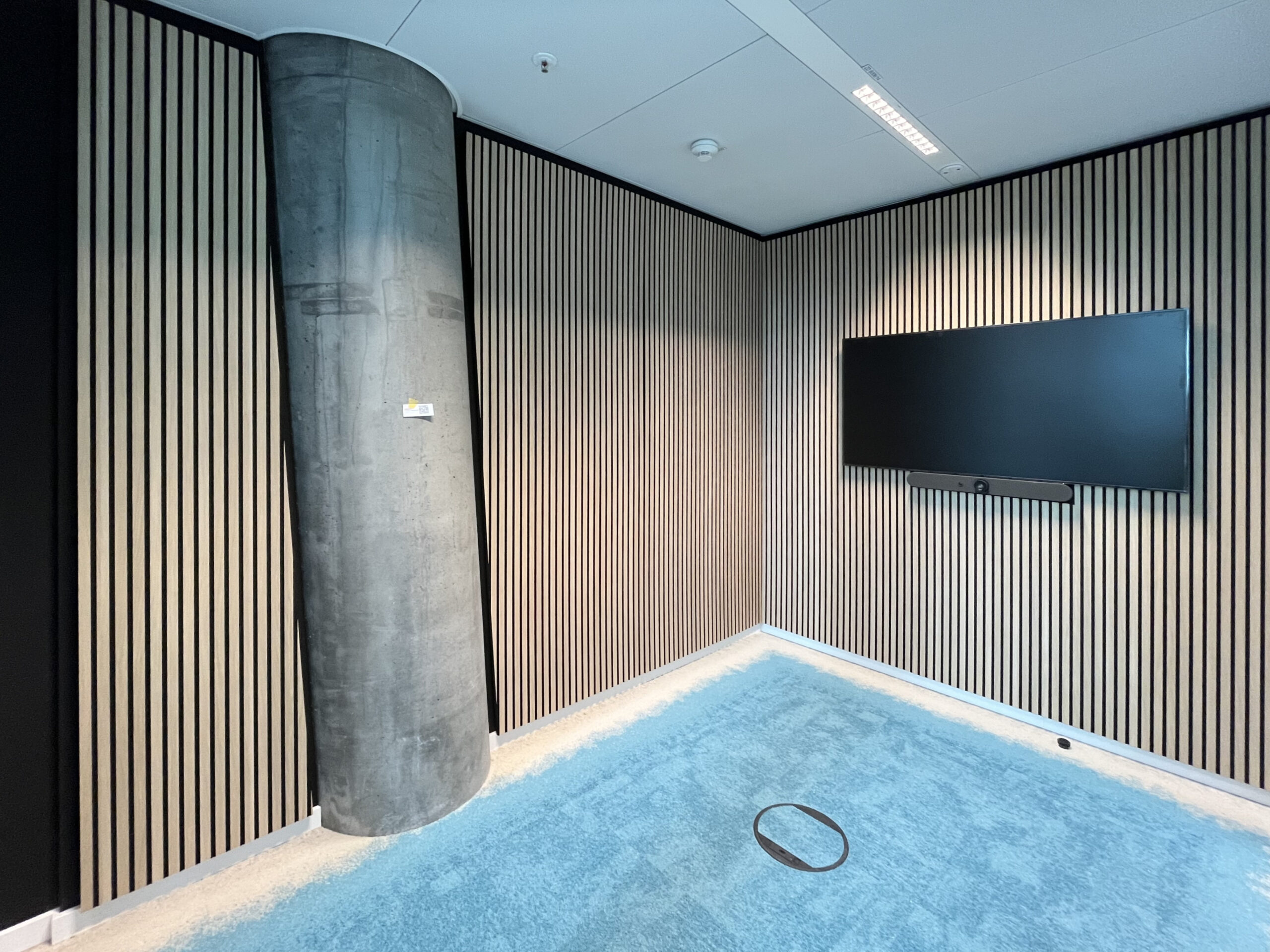
Wall absorberDamps targeted reflections and flutter echoes0.7–1.0Glued or screwed to the wallMeeting rooms, studios, practices
Free-standing partitionScreens off and absorbs sound at once0.6–0.9Mobile on feet or castorsOpen space, flexible separation
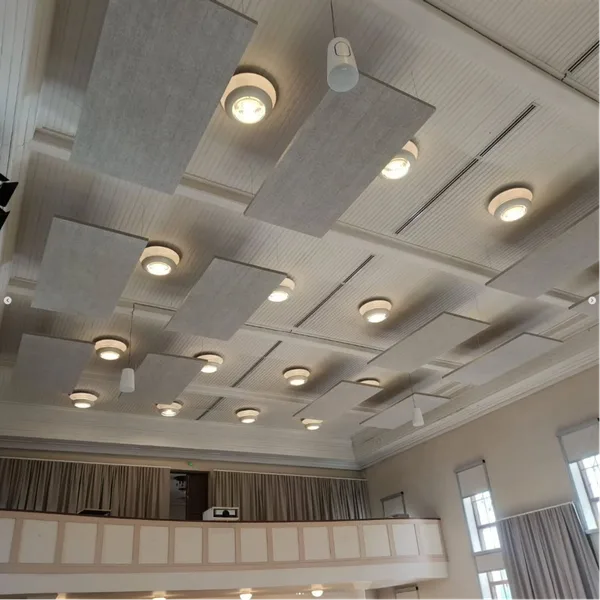
Ceiling raft / baffleWorks on both sides, large area per element0.8–1.0Freely suspended below the ceilingTall rooms, halls, atriums

What exactly does a sound absorber do?

When sound hits a hard surface such as concrete, glass or plaster, it is reflected back almost completely. These reflections overlap in the room and create reverberation: the sound rings on, speech becomes unclear and the noise level rises. A porous sound absorber lets the air enter its fine pores and slows it there, turning part of the sound energy into a small amount of heat.

How much an absorber swallows is described by the absorption coefficient. It ranges from 0 (everything is reflected) to 1 (everything is absorbed). The weighted single value αw sums up the behaviour across frequencies. Values of 0.8 to 1.0 mark a strong broadband absorber that is effective across the whole speech range.

The types of sound absorbers at a glance

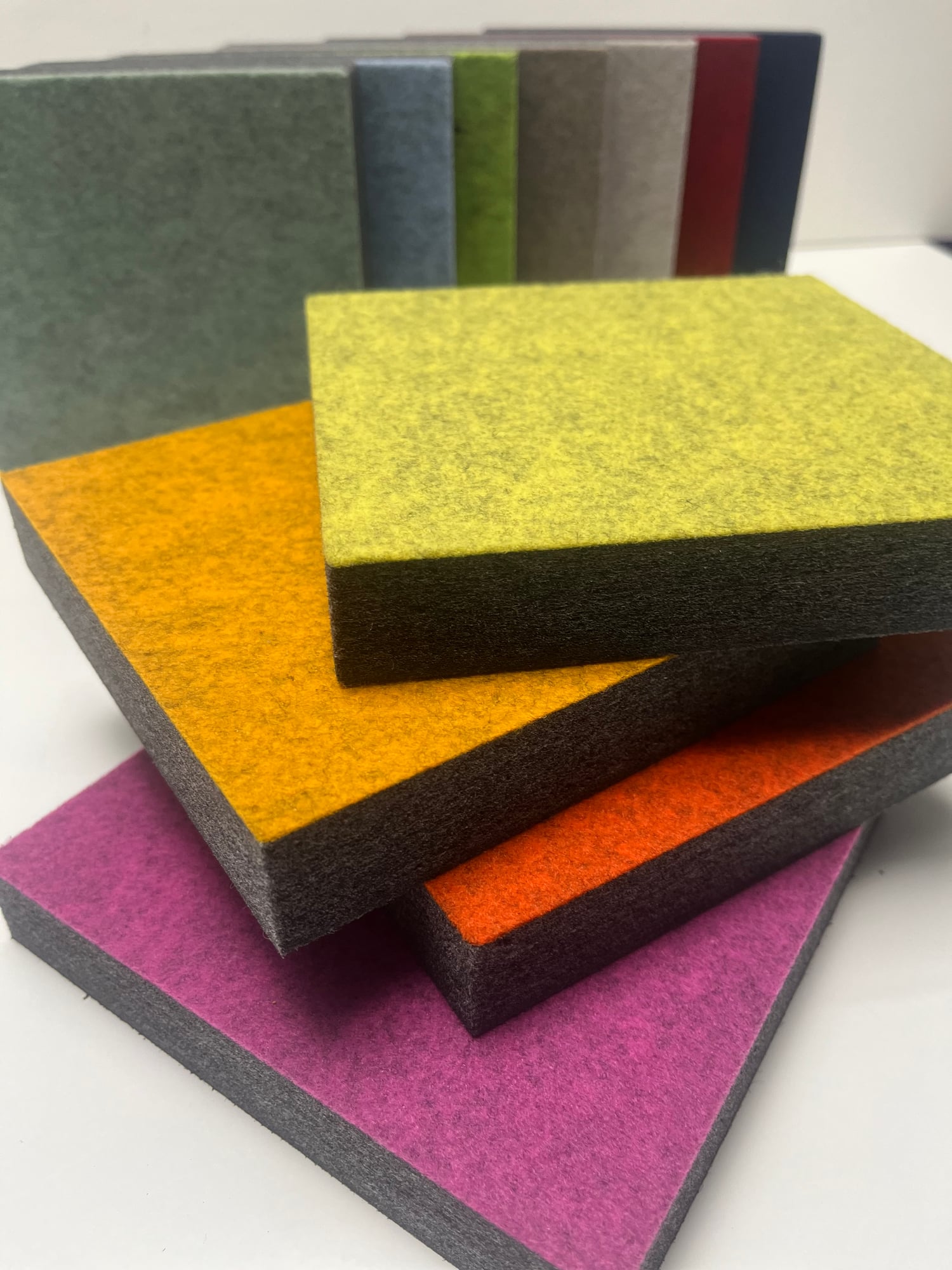
Physically there are four families. Porous absorbers (mineral wool, acoustic foam, PET felt, wood wool) let air oscillate inside fine pores and convert sound into heat through friction; they are broadband and strongest at mid and high frequencies, and they are what almost every ceiling tile and wall panel is. Panel and membrane absorbers work as a mass on an air spring: a board or foil vibrates in front of a cavity and takes energy out of a narrow low-frequency band.

Helmholtz resonators are tuned air volumes with a neck, in buildings usually realised as perforated panels over a cavity; open area and cavity depth set the frequency they target. Micro-perforated absorbers achieve absorption with sub-millimetre holes and no fibrous filling at all, which allows transparent or metal designs for hygiene-critical or see-through applications. Most real products combine families, for example a perforated board (resonator) with mineral wool (porous) in the cavity.

Examples: which absorber for which job

Typical assignments from practice: a reverberant office or classroom gets class A mineral wool ceiling tiles as the baseline. Meeting rooms with poor speech clarity add porous wall panels or PET felt at ear height on the reflecting walls. A boomy home studio needs thick porous absorbers with an air gap plus tuned panel or membrane traps for the low end, because thin foam alone cannot reach it.

A canteen or open space combines an absorbing ceiling with free-hanging rafts or baffles over the loud zones. Sports halls take impact-resistant wood wool boards. Kitchens, labs and clean areas use micro-perforated or perforated metal systems that can be wiped down. Every one of these examples is only as good as its measured value: the αw and the per-band data of the actual product decide, which is exactly what this database lists.

Which type fits which room?

Selection almost always starts at the ceiling, because it is the largest continuous free surface and lowers the overall level across the room most strongly. If the ceiling is not enough or not available, wall absorbers complement it at the first reflection points and on long parallel hard walls. In tall rooms with little wall area, freely suspended ceiling rafts or baffles take over, working on both sides.

In open space, free-standing partitions separate workstations and absorb sound at the same time, without anything being permanently fixed. The decisive figure for comparison is the αw value from a reverberation-chamber measurement, together with the mounting type, since the same absorber with an air gap works markedly better at lower frequencies.

When does an absorber also work at low frequencies?

Thin porous absorbers directly on the hard surface work mainly at mid and high frequencies. Low tones need either more material thickness or a mounting gap to the wall or ceiling. The air gap shifts the effect into the low-mid range, because the material then works where the particle velocity is higher.

Booming, droning rooms with problems in the bass range therefore benefit from thicker absorbers, a larger wall gap or purpose-tuned low-frequency absorbers. For a reliable design, reverberation time is calculated, and the reverberation calculator uses the stored measurement data.

Frequently asked questions

What is a sound absorber?+

A sound absorber is usually a porous material that lets incoming sound enter its fine pores and turns part of the sound energy into a small amount of heat. As a result the sound is not reflected off the hard surface but swallowed. This reduces reflections, reverberation and the noise level in the room.

What types of sound absorbers are there?+

The main forms are ceiling absorbers, which lower the overall level over a large area, wall absorbers against targeted reflections, free-standing partitions for screening and separating, and suspended ceiling rafts or baffles for tall rooms. They differ in mounting and area, while the absorbing material is in most cases porous.

What αw value should a good sound absorber have?+

The weighted absorption coefficient αw ranges from 0 to 1. A strong broadband absorber reaches αw 0.8 to 1.0 and works across the whole speech range. Lower values absorb less or only in a narrow frequency band. When comparing, it helps to look at the αw value stated in the datasheet and at the mounting type.

Which sound absorber fits my room?+

It depends on the room, the problem frequency range and the free surface. Start at the ceiling, because it is the largest free surface and lowers the overall level most effectively. Wall absorbers complement it in a targeted way, free-standing partitions separate workstations, and suspended rafts or baffles help in tall rooms with little wall area.

Does a sound absorber help against low tones too?+

Thin absorbers directly on the surface work mainly at mid and high frequencies. Low tones need more material thickness or a mounting gap to the wall. The air gap shifts the effect downward, because the material works where the particle velocity is higher. For bass problems, thicker or purpose-tuned absorbers help.

How much absorber area do I need?+

A rule of thumb is 0.15 to 0.25 m² of high-performance absorber per square metre of floor area, starting at the ceiling and complemented by wall or free-standing elements. A 25 m² room therefore needs about 4 to 6 m². For a reliable design, reverberation time is calculated, and the calculator uses the stored measurement values.

Further reading

  • Wall absorbers and acoustic panels for wallsAcoustic panels, sound absorbers and acoustic art for the wall, with placement rules and measurement data.
  • Acoustic foam: what it does and what it doesn'tOpen-cell foam absorbs mids and highs superbly. In the bass only thickness counts, not the wedge profile.
  • Reverberation Time Calculator: RT60 with Sabine & EyringCalculate reverberation time (RT60) with the Sabine formula, check DIN 18041 target values and size the required absorber area including panel count. With a worked office example.

Find matching sound absorbers

Compare all sound absorbers with measurement data and filter by αw, form, material and fire class.

Sound absorbers in search

Acoustic Index

Acoustic IndexAcoustic Index

Il database dei parametri acustici dei materiali. Ogni valore presentato in modo trasparente.

Prodotti

  • Pannelli fonoassorbenti
  • Pannelli acustici
  • Pannelli acustici in legno
  • Schiuma fonoassorbente
  • Quadri fonoassorbenti
  • Isole fonoassorbenti
  • Tutti i prodotti

Azienda

  • Chi siamo
  • News
  • Contatti
  • Per i produttori
  • Read API

Conoscenza

  • Acoustic solutions
  • Calcolatore del tempo di riverberazione

Legale

  • Note legali
  • Privacy
  • Condizioni generali
  • Termini di utilizzo

© 2026 Acoustic Index. Tutti i diritti riservati.