Acoustic IndexAcoustic Index
RicercaAPI
Per professionistiPer produttori
  1. Home
  2. /Acoustic solutions
  3. /Acoustic panels for walls and ceilings

Acoustic panels for walls and ceilings

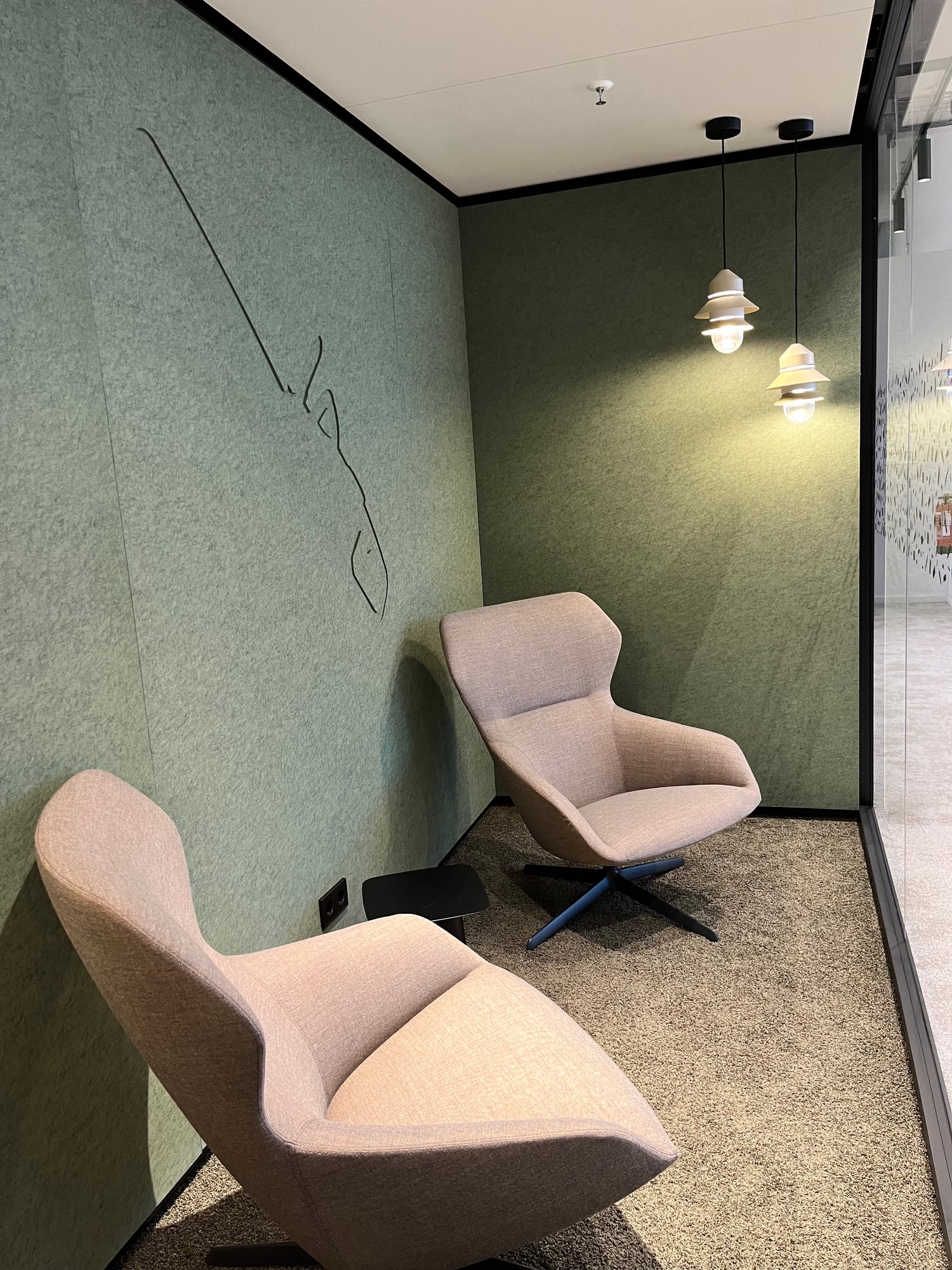
Acoustic panels are flat absorber boards for walls and ceilings. Their absorption comes from the porous core behind, while the fabric cover or printed motif is just sound-transparent decoration. Good porous panels reach αw 0.8 to 1.0 and damp early reflections and reverberation exactly where they disturb.

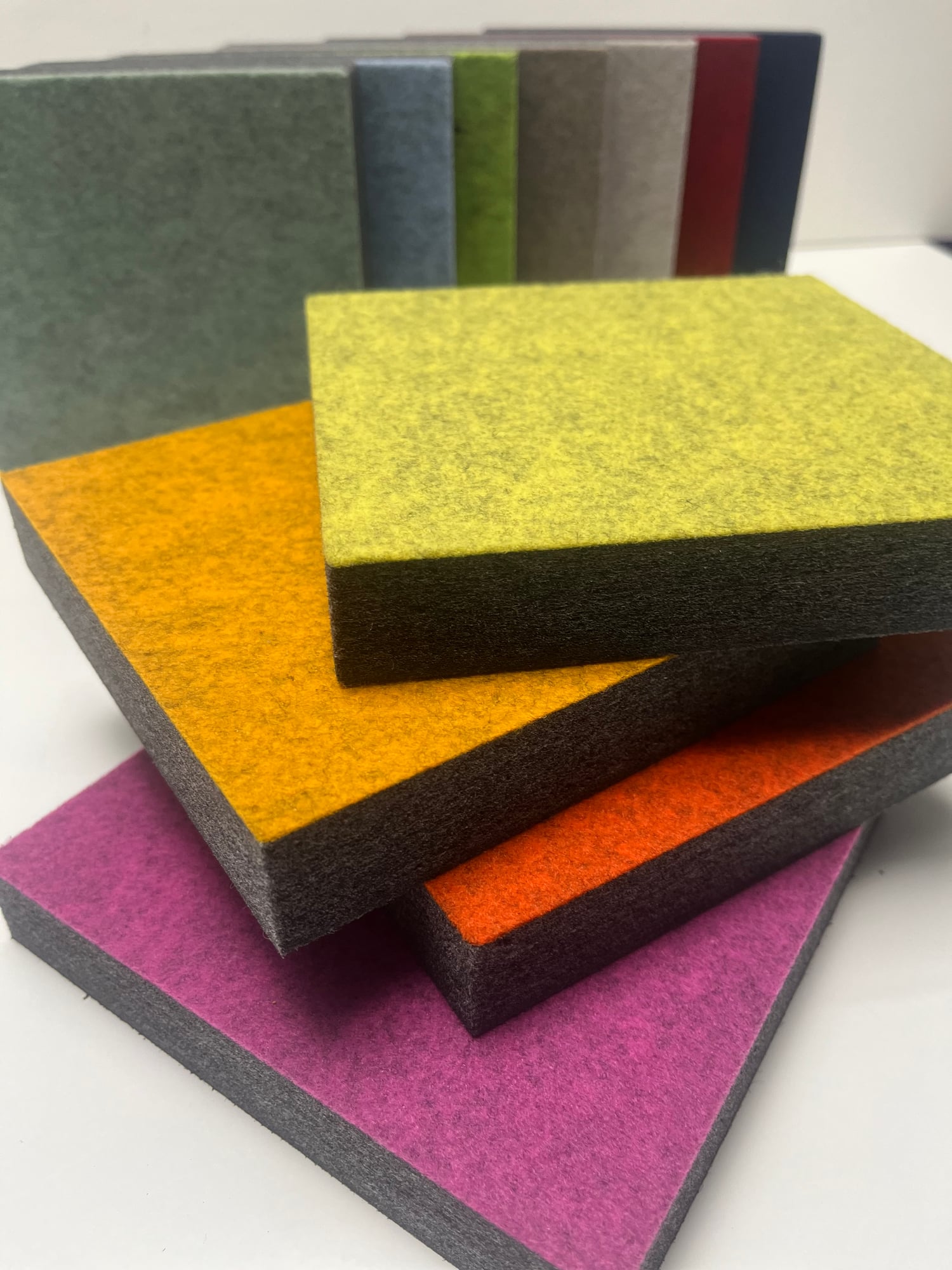
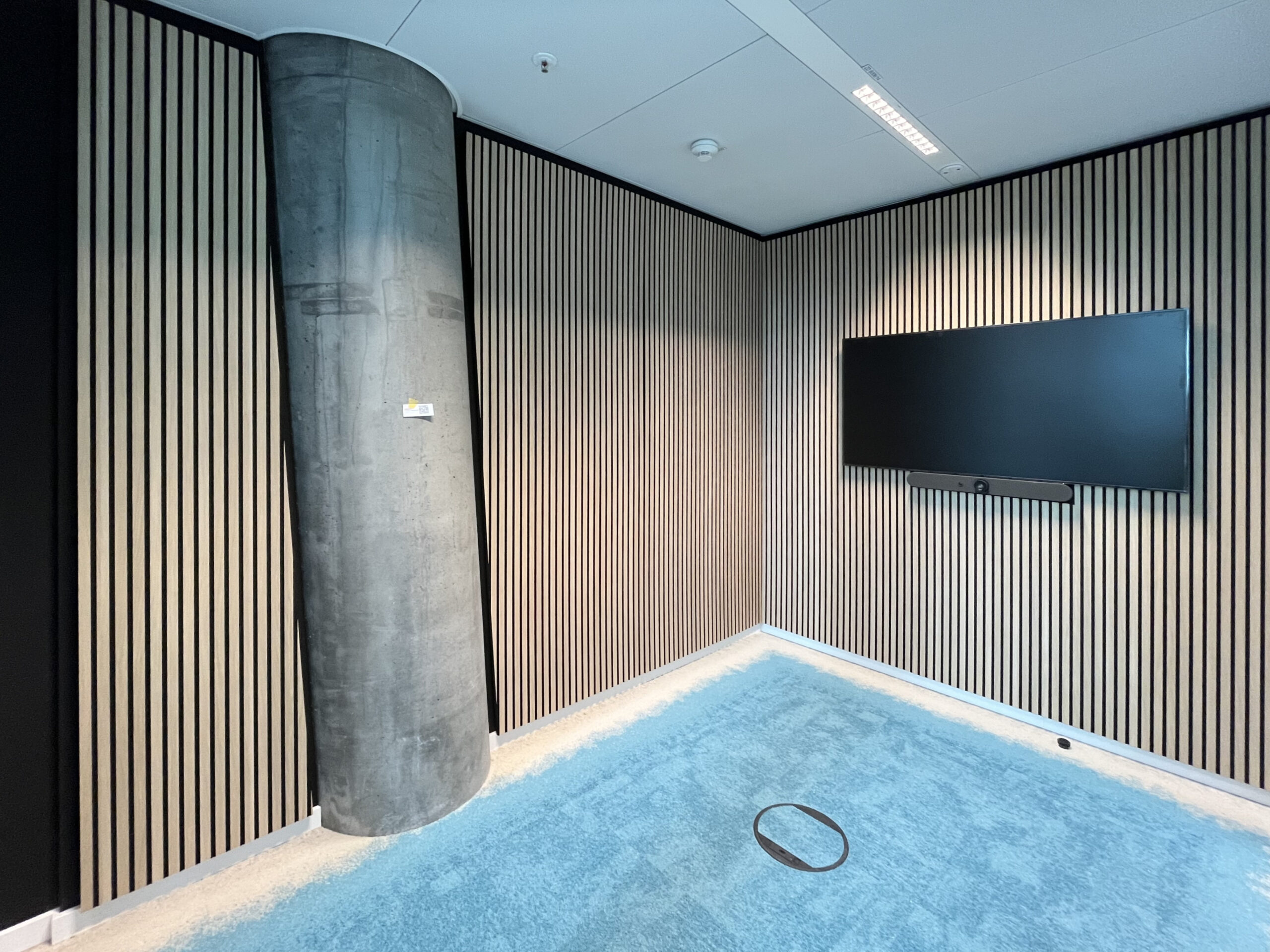
An acoustic panel has two parts: a porous core, such as mineral wool, polyester fibre or melamine foam, and a decorative surface of fabric, felt or printed cloth. The cover is cosmetic and lets sound pass through so it reaches the core. The surface decides how the panel looks, the core decides how much it absorbs.

That is why a plain picture without a porous core absorbs almost no sound, even if it looks like acoustic art. What matters is not the motif but the core material and its thickness. Flat panels can sit on the wall at the first reflection points or on the ceiling as a large-area absorber.

Last updated: 28 giugno 2026

absorption coefficient
αw up to 1.0
mounting locations
Wall + ceiling
range of the αw value
0 to 1
stored per panel
Measurement data

Interactive

How many panels does your room need?

Pick room size and panel format. Assumption: reverberant room (about 0.8 s), target a pleasant 0.55 s, panel at αw 0.8.

Floor area

25 m²

Panel format

Missing absorption area
5,8m²
1,2 × 0,6 m, αw 0,8
11panels

Sabine-based estimate at 2.5 m ceiling height. Furnishing and stronger or weaker panels shift the result; the precise design with real product data is what the reverberation calculator is for.

Acoustic panels in the catalogueCalculate precisely in the reverberation calculator

Acoustic panels with measurement data

Flat panels for wall and ceiling with stored measurement values, sorted by absorption coefficient.

View all in search
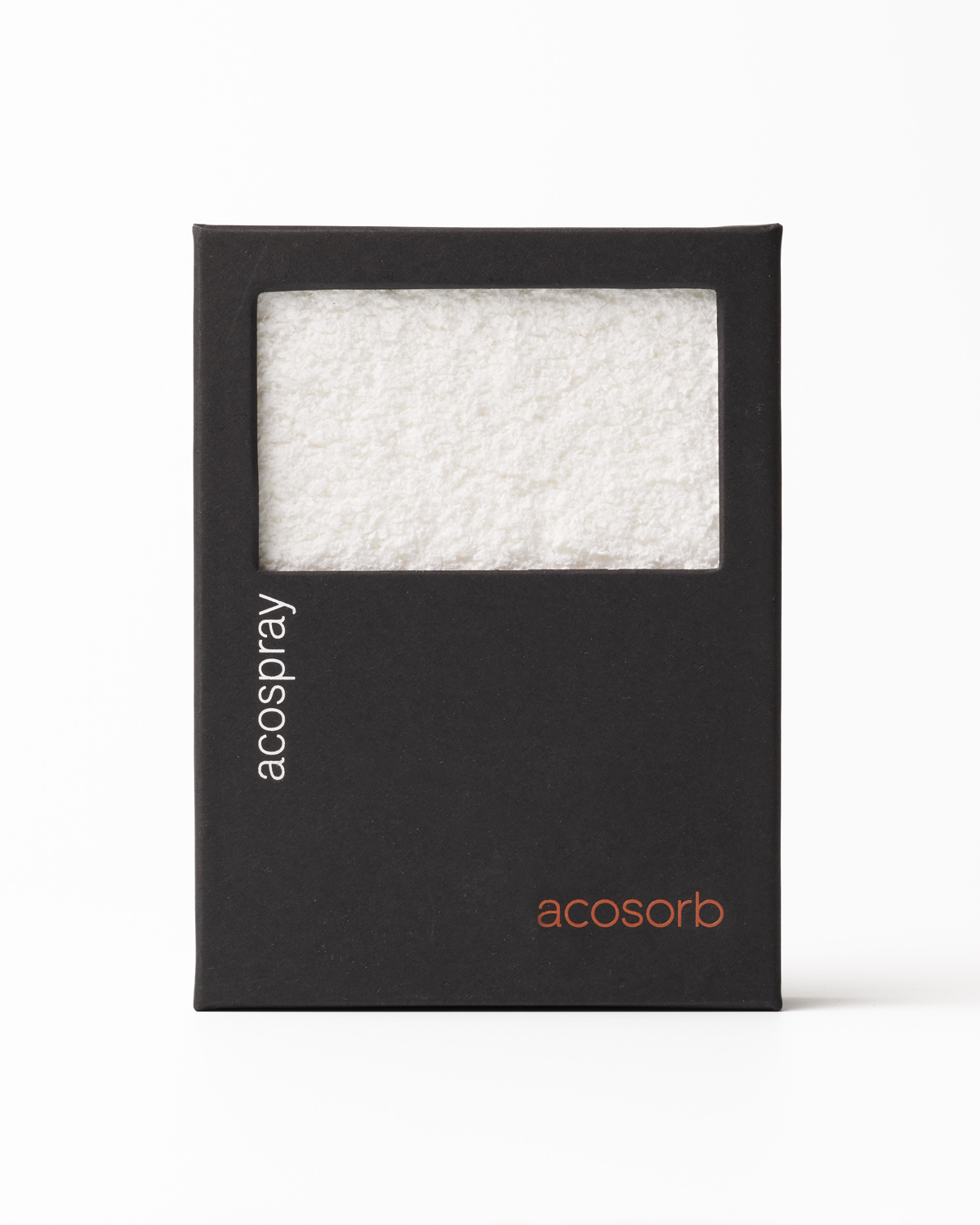
  • Acospray DC1αw 1,00

    Acosorb

    Acospray DC1

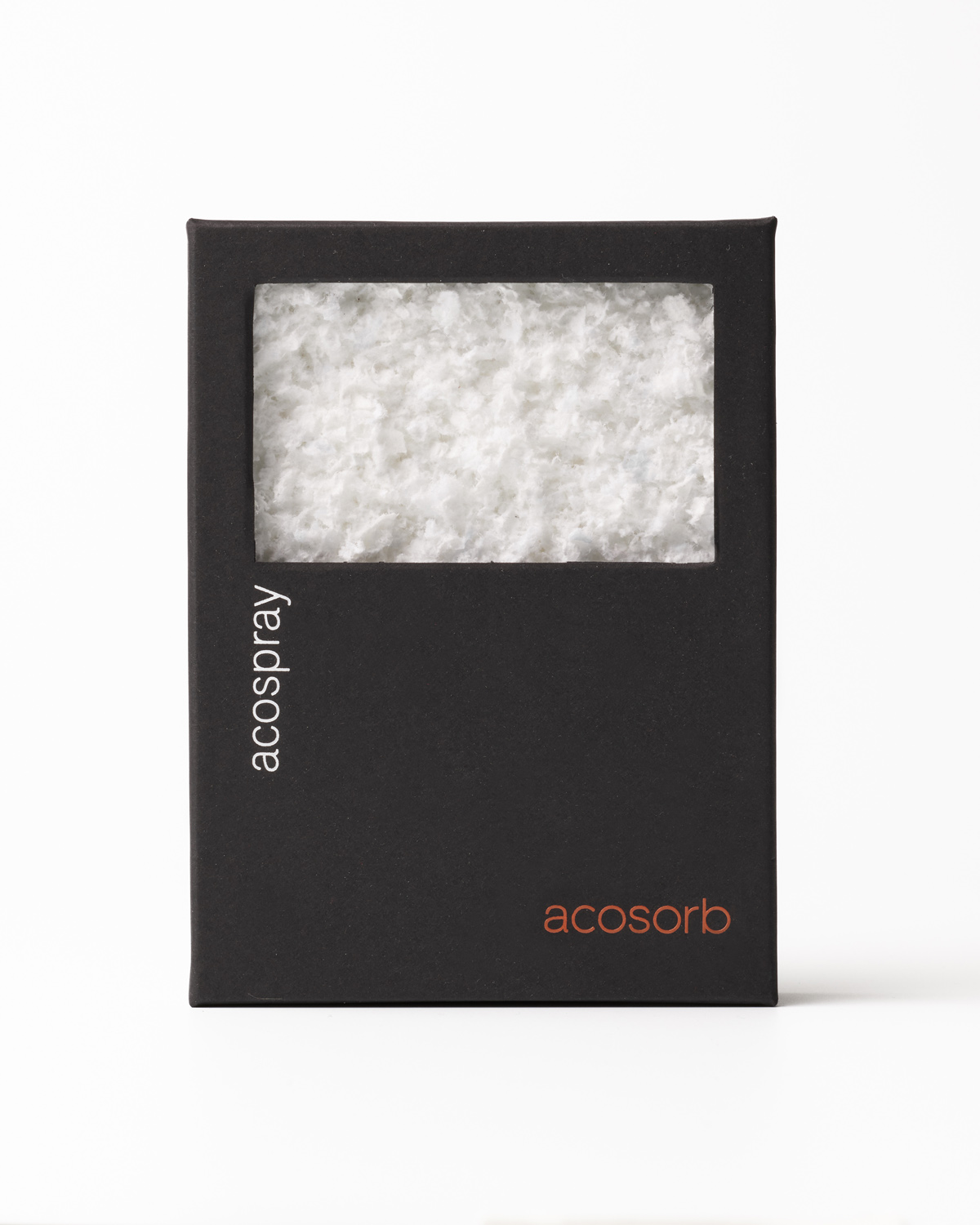
  • Acospray DC3αw 1,00

    Acosorb

    Acospray DC3

  • alpha AKUSTIK NANOLITEαw 1,00

    alpha AKUSTIK

    alpha AKUSTIK NANOLITE

  • aPerf® padαw 1,00

    BK Raumakustik

    aPerf® pad

  • aPerf® panelαw 1,00

    BK Raumakustik

    aPerf® panel

  • aPerf® panel colourαw 1,00

    BK Raumakustik

    aPerf® panel colour

  • aPerf® woolαw 1,00

    BK Raumakustik

    aPerf® wool

  • B11 Archisonic Feltαw 1,00EPD

    B11

    B11 Archisonic Felt

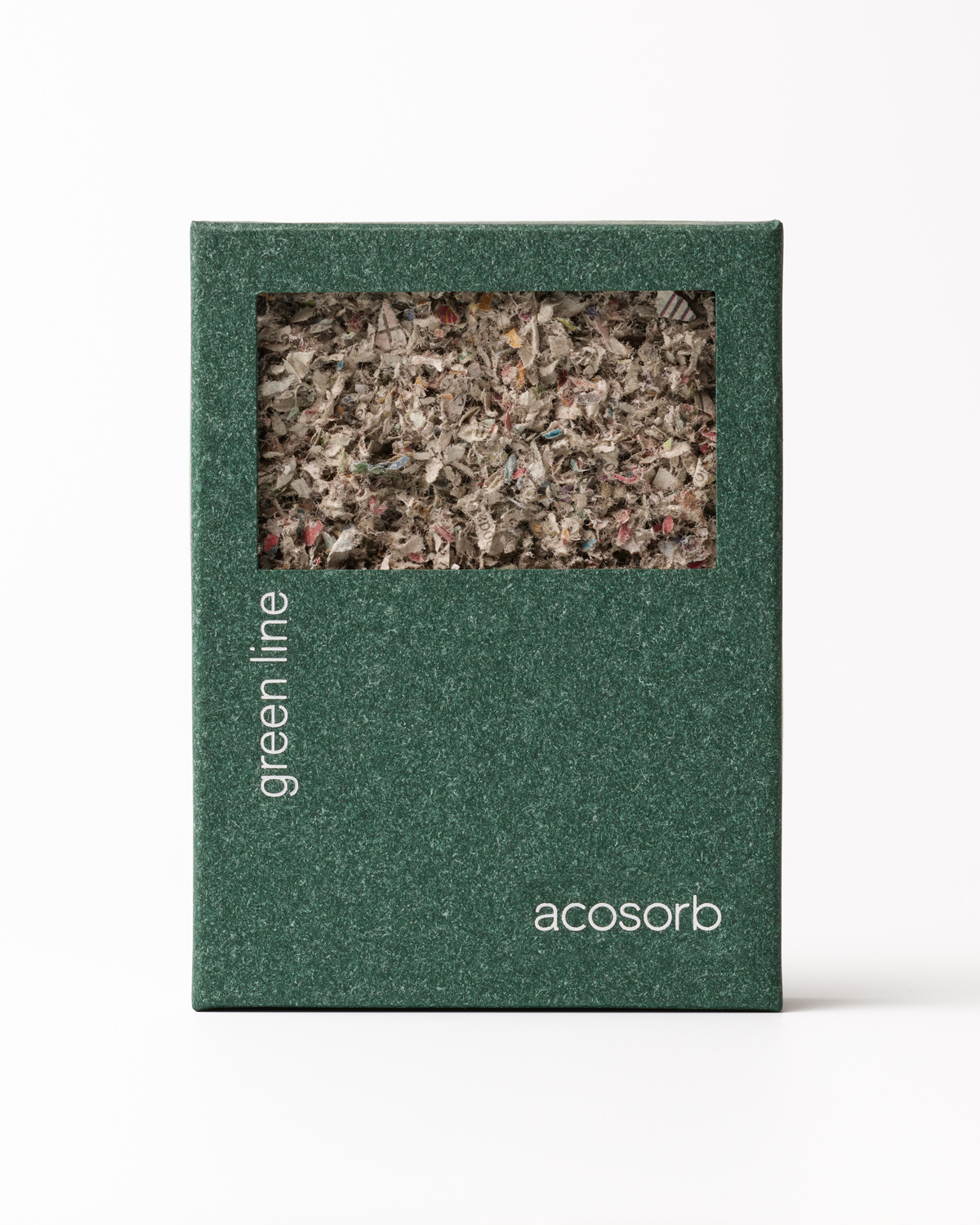
  • Green Lineαw 1,00

    Acosorb

    Green Line

  • LinePerf®αw 1,00

    BK Raumakustik

    LinePerf®

  • Pannello acustico in torba SilentRootαw 1,00EPD

    SilentFiber

    Pannello acustico in torba SilentRoot

  • Quadro fonoassorbente SilentPICTUREαw 1,00EPD

    SilentFiber

    Quadro fonoassorbente SilentPICTURE

Acoustic panels compared

Acoustic panels compared
Build-upTypical αwLookBest for
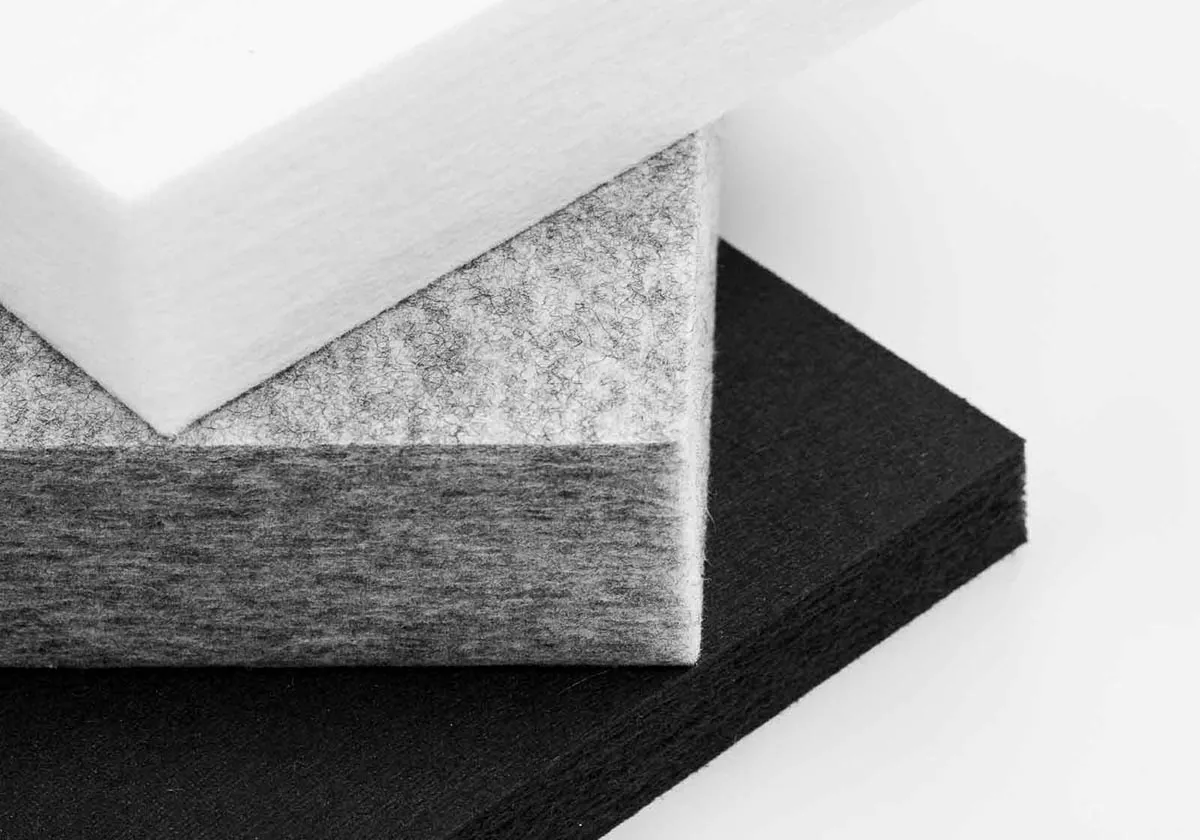
Textile panelFabric cover over a porous core0.8–1.0Free choice of fabric colour, calm surfaceOffices, meeting rooms, practices
Perforated wood panelPerforated wood with fleece and infill behind0.5–0.9Visible wood surface, premiumRepresentative rooms, living spaces
Foam panelOpen-pored foam, often profiled0.7–1.0Light, frequently texturedStudios, quick retrofits
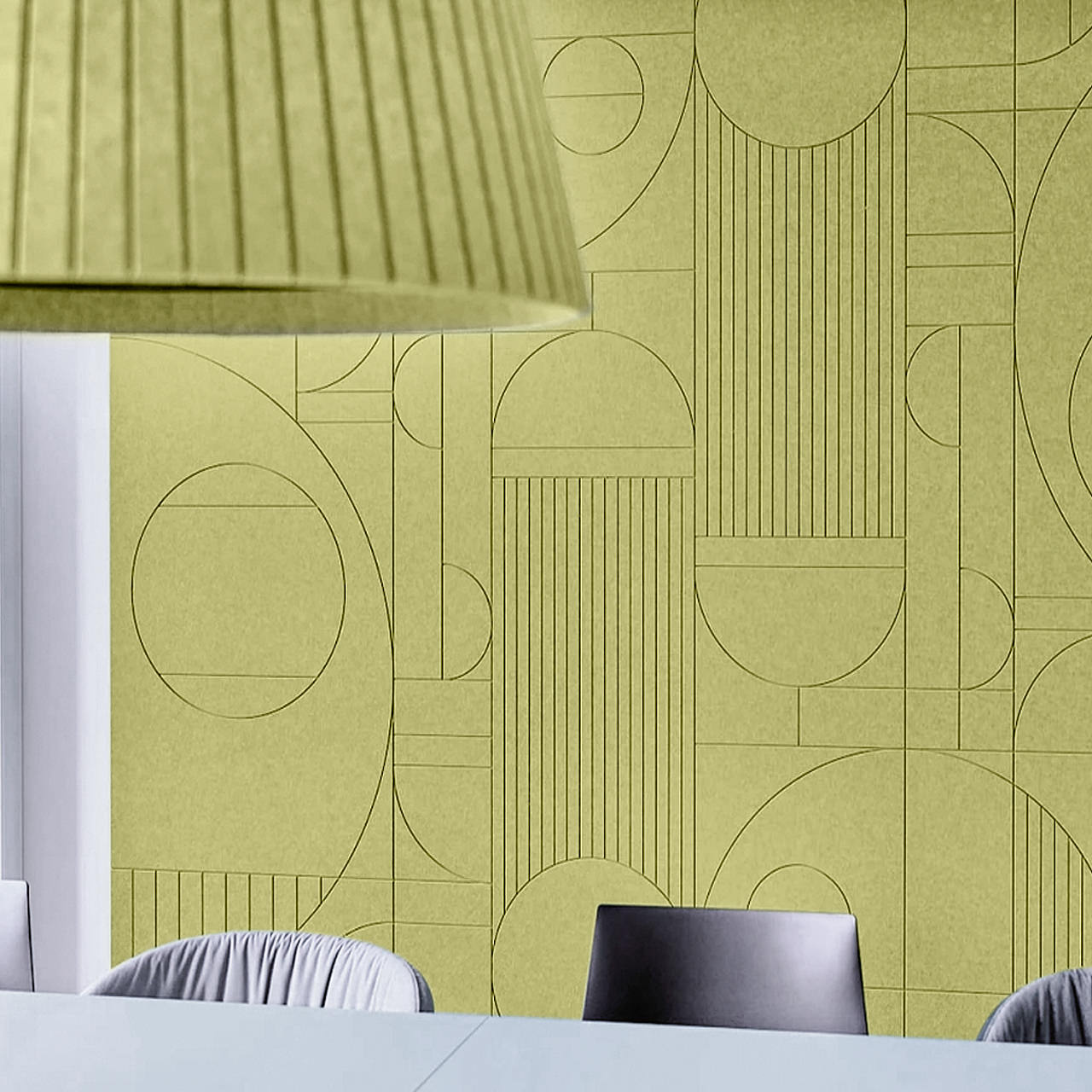
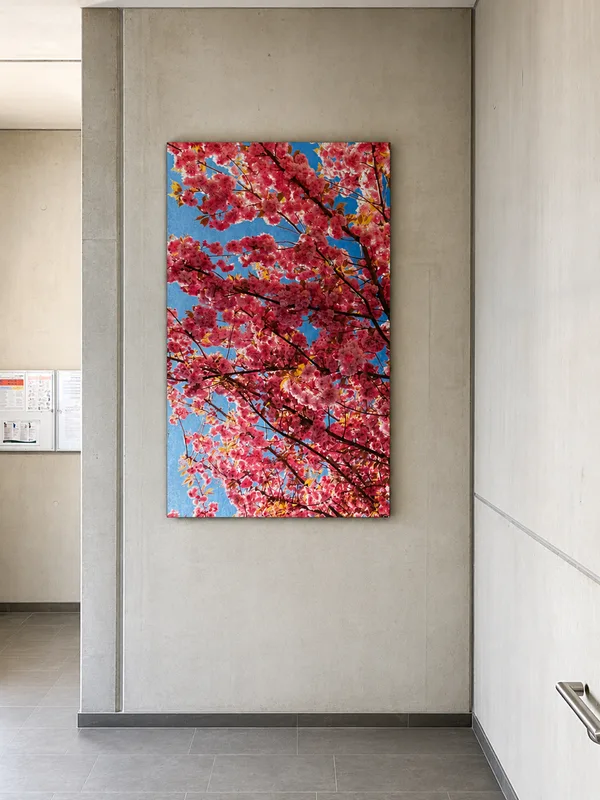
Acoustic artPrinted fabric over a porous core0.5–0.9Photo or art print as the motifDecorative retrofits, small areas

Why the surface absorbs nothing and the core everything

In an acoustic panel the porous core does the work. Sound waves pass through the sound-transparent cover into the open-pored material, where the air movement is slowed and turned into heat. The fabric or printed motif sits only in front of it and decides how the panel looks, not how much it damps.

This explains why a decorative picture without a porous core does almost nothing acoustically. An acoustic image works only if a porous core sits behind the printed fabric. So do not rely on the look but on the stated αw value and the named core material.

Where acoustic panels help most

On the wall, panels deliver the most at the first reflection points: on the side walls at head height next to the speaking position, behind the desk or monitors, and on walls between neighbouring workstations. Two long parallel hard walls create a flutter echo, where a single panel on one side is often enough.

On the ceiling, acoustic panels work over a large area. The ceiling is usually the largest free surface in the room and lowers the overall level most effectively. Combining wall and ceiling covers both jobs: the even reverberation across the ceiling and the targeted reflections on the wall.

How thickness drives low-frequency absorption

Thin panels mainly damp high and mid frequencies, where speech clarity and sibilants sit. As thickness increases, the porous material also works at lower frequencies, because there the longer waves only reach their highest particle velocity some distance from the wall.

An air gap achieves the same effect: mounting a panel on a frame or battens away from the wall noticeably improves performance in the low-mid range. The decisive figure for comparison remains the weighted sound absorption coefficient αw, and the datasheet states whether it was measured directly or with a gap.

Frequently asked questions

How much sound does an acoustic panel really absorb?+

It depends on the porous core and its thickness, not the fabric. Good textile or foam panels reach αw 0.8 to 1.0, absorbing almost all the sound that hits them. Perforated wood panels and simple acoustic art usually land at αw 0.5 to 0.9. The stated αw value in the datasheet shows the actual effect.

How does an acoustic panel differ from a normal wall picture?+

An acoustic panel has a porous core of mineral wool, polyester fibre or melamine foam that turns sound into heat. A normal wall picture or print without a porous core reflects almost all the sound. The difference shows in the stated αw value: only panels with a porous core reach high values.

Do acoustic panels belong on the wall or the ceiling?+

Both make sense. On the wall they act in a targeted way at the first reflection points and against flutter echoes between parallel hard surfaces. On the ceiling, usually the largest free surface, they lower the overall level and reverberation across the whole room. Combining wall and ceiling covers both tasks.

Which core material is the right one?+

Mineral wool offers broadband absorption and is robust, polyester fibre is light, fibre-free and easy to shape, melamine foam is very light and strong at mid and high frequencies. For the choice, the measured αw value and thickness matter more than the name. In the search you can filter by material and αw.

How much panel area do I need in a room?+

A rule of thumb is 0.15 to 0.25 m² of high-performance absorber per square metre of floor area. A 25 m² room therefore needs about 4 to 6 m². Start at the ceiling and add the wall at the reflection points. For a reliable design, the reverberation calculator works out the need from the stored measurement data.

Does an air gap behind the panel make a difference?+

Yes. Panels mounted directly on the wall work mainly at high and mid frequencies. An air gap from mounting on a frame or battens markedly improves the low-mid range. Which αw value applies depends on the mounting type, so the datasheet states whether it was measured directly or with a gap behind the panel.

Further reading

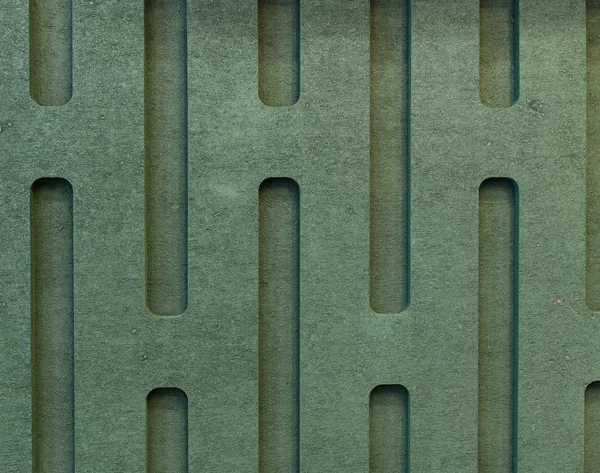
  • Wood acoustic panels: what they really doThe wood slat look is everywhere. Acoustically it is the slots, the absorber layer and the air gap that decide, not the wood.
  • Wall absorbers and acoustic panels for wallsAcoustic panels, sound absorbers and acoustic art for the wall, with placement rules and measurement data.
  • Reverberation Time Calculator: RT60 with Sabine & EyringCalculate reverberation time (RT60) with the Sabine formula, check DIN 18041 target values and size the required absorber area including panel count. With a worked office example.

Find matching acoustic panels

Compare all acoustic panels for wall and ceiling with measurement data and filter by αw, material and mounting location.

Acoustic panels in search

Acoustic Index

Acoustic IndexAcoustic Index

Il database dei parametri acustici dei materiali. Ogni valore presentato in modo trasparente.

Prodotti

  • Pannelli fonoassorbenti
  • Pannelli acustici
  • Pannelli acustici in legno
  • Schiuma fonoassorbente
  • Quadri fonoassorbenti
  • Isole fonoassorbenti
  • Tutti i prodotti

Azienda

  • Chi siamo
  • News
  • Contatti
  • Per i produttori
  • Read API

Conoscenza

  • Acoustic solutions
  • Calcolatore del tempo di riverberazione

Legale

  • Note legali
  • Privacy
  • Condizioni generali
  • Termini di utilizzo

© 2026 Acoustic Index. Tutti i diritti riservati.