
Deckenabsorber: Paneele und Platten für die Decke
Die Decke ist meist die größte zusammenhängende freie Fläche eines Raums und bringt deshalb pro Quadratmeter Absorber die größte Wirkung. Eine geschlossene Akustikdecke senkt den Grundpegel im ganzen Raum, abgehängte Systeme verbessern über den Luftspalt zusätzlich die Tieftonabsorption. Gute Systeme erreichen αw 0,9 bis 1,0.
Wer einen halligen Raum ruhiger machen will, beginnt sinnvollerweise an der Decke. Sie ist parallel zum Boden, selten durch Fenster oder Möbel unterbrochen und damit die Fläche mit dem besten Verhältnis aus Aufwand und akustischer Wirkung. Erst wenn die Decke ausgereizt ist, lohnen Wandabsorber gegen gezielte Reflexionen.
Stand: 28. Juni 2026
- passende Produkte
- 147
- Datensätze gesamt
- 1.896
- Schallabsorptionsgrad
- αw bis 1,0
- Messverfahren
- Hallraum
Deckenabsorber mit Messdaten
An der Decke montierbare Produkte (geschlossene Decken, abgehängte Systeme, Aufputzpaneele, Deckensegel), nach Schallabsorptionsgrad sortiert.
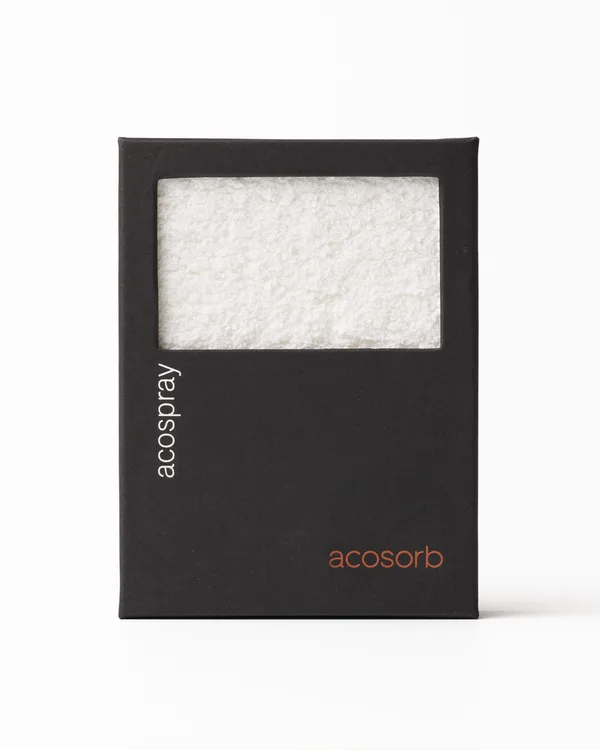 αw 1,00
Acosorb
Acospray DC1
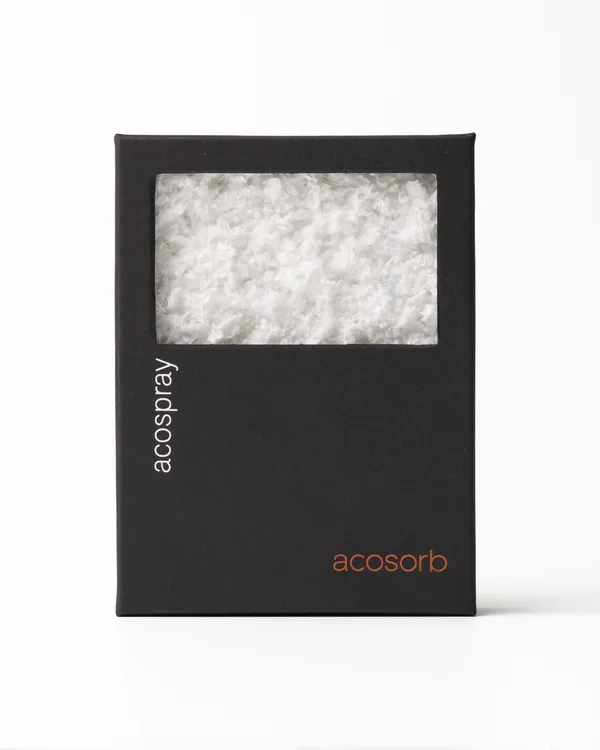 αw 1,00
Acosorb
Acospray DC3
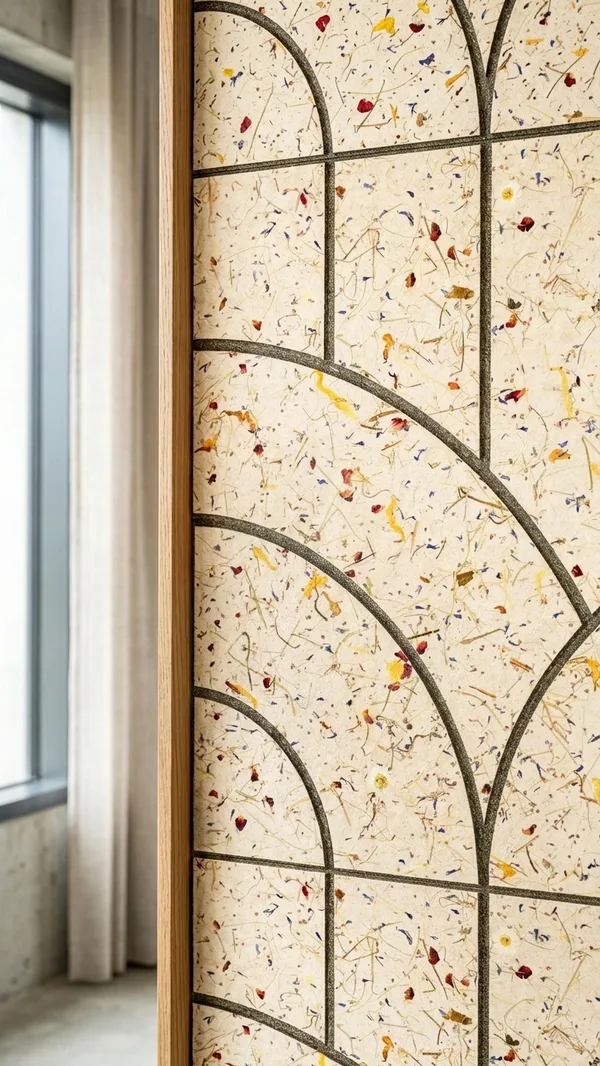 αw 1,00
ORGANOID
Acoustic Tiles Modular
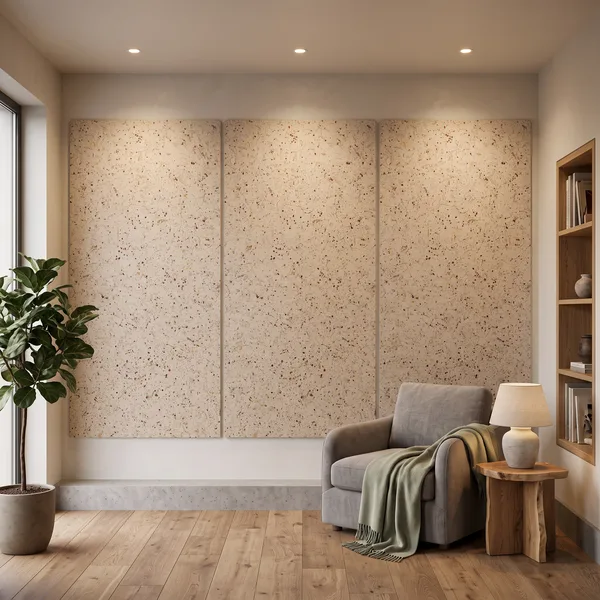 αw 1,00
ORGANOID
Akustik Paneel Modular
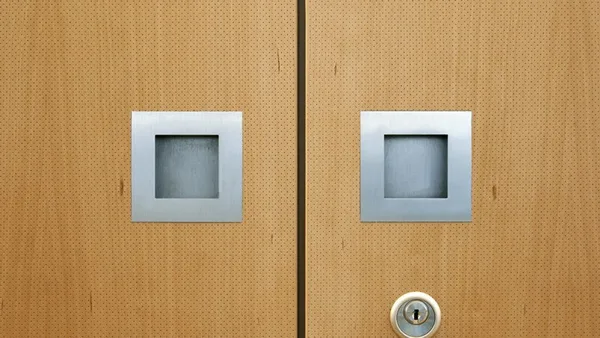 αw 1,00
alpha AKUSTIK
alpha AKUSTIK NANOLITE
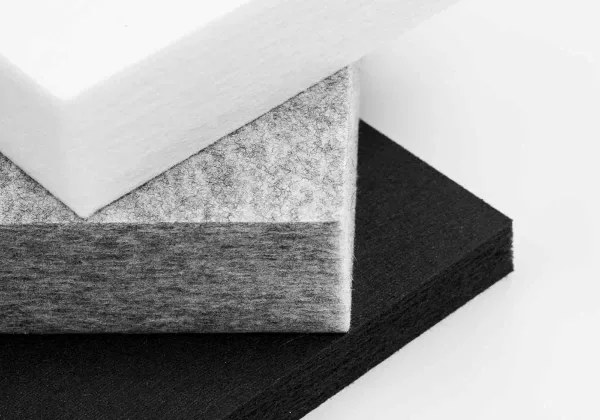 αw 1,00
BK Raumakustik
aPerf® pad
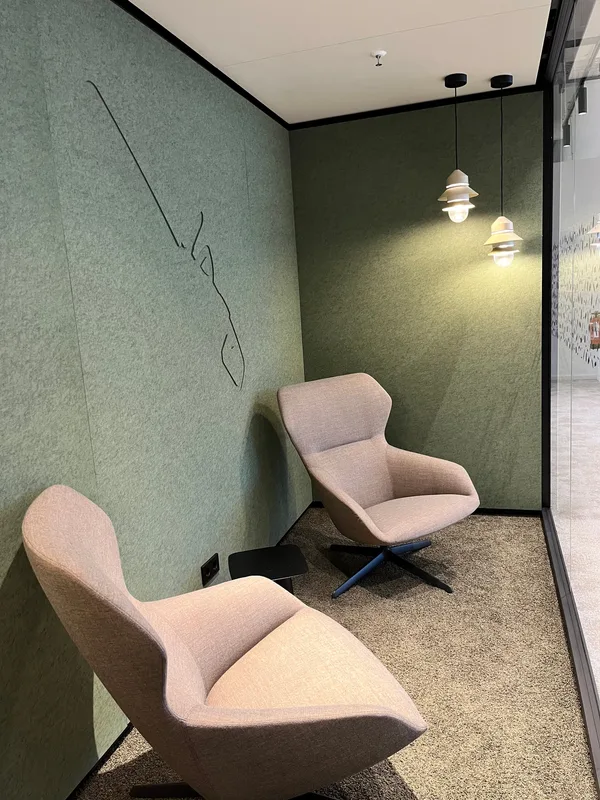 αw 1,00
BK Raumakustik
aPerf® panel
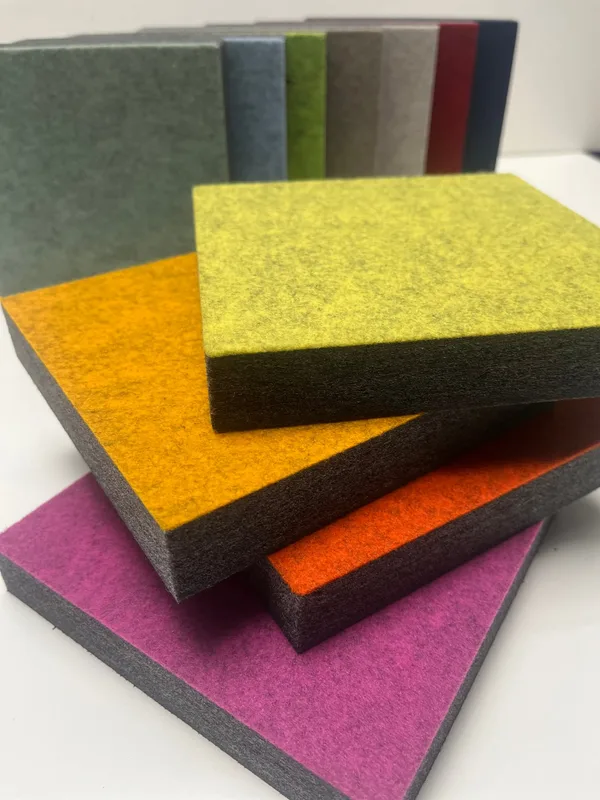 αw 1,00
BK Raumakustik
aPerf® panel colour
 αw 1,00
BK Raumakustik
aPerf® wool
 αw 1,00EPD
B11
B11 Archisonic Felt
 αw 1,00EPD
SilentFiber
Bluefiber Akustikplatte
 αw 1,00
Selador Acoustics
Celor Alvio Rasterdeckenplatte
Deckenlösungen im Vergleich
| Wirkung | αw typisch | Montage | Ideal für | |
|---|---|---|---|---|
| Geschlossene Akustikdecke | Maximale, gleichmäßige Absorption über die volle Fläche | 0,9–1,0 | Flächig direkt oder abgehängt | Neubau, Großraumbüro, hohe Anforderungen |
| Abgehängte Decke mit Hohlraum | Breitband plus bessere Tieftonwirkung durch den Luftspalt | 0,9–1,0 | Abgehängt mit Abstand zur Rohdecke | Räume mit Installationen, tiefe Frequenzen |
| Aufputzpaneele (direkt) | Teilbelegung der Decke, einfache Nachrüstung | 0,8–1,0 | Direkt an die Rohdecke geklebt oder geschraubt | Bestand, niedrige Räume, Teilsanierung |
| Deckensegel / Baffel (Inseln) | Punktuell über Zonen, beidseitig wirksam | 0,8–1,0 (auf Fläche bezogen) | Frei abgehängt, einzeln oder im Raster | Sichtbeton, Industrielook, flexible Zonen |
Warum die Decke zuerst behandeln?
Die Decke ist in den meisten Räumen die größte ununterbrochene freie Fläche. Boden, Wände und Fenster sind durch Verkehrswege, Möbel und Verglasung belegt, die Decke dagegen ist frei verfügbar. Weil die akustische Wirkung mit der wirksamen Absorberfläche steigt, liefert eine behandelte Decke die meiste Absorption pro investiertem Quadratmeter und senkt den Schallpegel gleichmäßig im ganzen Raum.
Belegt man zuerst die Decke, sinkt die Nachhallzeit oft schon in den Zielbereich. Wandabsorber kommen danach gezielt dort dazu, wo direkte Reflexionen zwischen Sprecher und Zuhörer stören.
Geschlossene Decke oder Teilbelegung?
Eine geschlossene Akustikdecke belegt die volle Fläche und liefert die höchste, gleichmäßigste Absorption. Sie ist die Grundausstattung für anspruchsvolle Räume wie Großraumbüros, Klassenzimmer oder Kantinen. Eine Teilbelegung mit Aufputzpaneelen oder Deckensegeln deckt nur einen Teil der Decke ab, ist aber günstiger, einfacher nachzurüsten und passt zu Sichtbeton- oder Industrieoptik.
Deckensegel und Baffel hängen frei im Raum und wirken beidseitig, also an Ober- und Unterseite. Dadurch erreichen sie auf die belegte Fläche bezogen hohe Werte, auch wenn nur ein Teil der Deckenfläche belegt ist.
Direkt montiert oder abgehängt?
Direkt an die Rohdecke montierte Paneele sparen Bauhöhe und sind einfach nachzurüsten. Ein abgehängtes System mit Luftspalt zwischen Absorber und Rohdecke verbessert dagegen spürbar die Absorption tiefer Frequenzen, weil der Hohlraum wie ein zusätzliches schwingungsfähiges Volumen wirkt. Je größer der Abstand, desto tiefer reicht die wirksame Absorption.
Maßgeblich ist immer der bewertete Schallabsorptionsgrad αw, abgeleitet aus einer Hallraummessung. Achten Sie in den Messdaten auf die angegebene Montageart, weil derselbe Absorber mit Luftspalt deutlich andere Tieftonwerte erreicht als direkt montiert.
Häufige Fragen
Geschlossene Akustikdecke oder Deckensegel?
Eine geschlossene Akustikdecke belegt die volle Fläche und liefert die höchste, gleichmäßigste Absorption, ideal für anspruchsvolle Räume. Deckensegel und Inseln belegen nur Teilflächen, sind günstiger und einfacher nachzurüsten und wirken beidseitig. Für Sichtbeton oder eine flexible Zonierung sind Segel oft die bessere Wahl, für maximale Wirkung die geschlossene Decke.
Wie viel Prozent der Decke sollte ich belegen?
Eine geschlossene Akustikdecke belegt nahezu die volle Fläche und ist der Maßstab. Bei Teilbelegung mit Segeln oder Paneelen sind oft 40 bis 70 Prozent der Deckenfläche nötig, um die Nachhallzeit in den Zielbereich zu bringen. Der genaue Wert hängt von Raumhöhe, Nutzung und den αw-Werten der Produkte ab.
Verbessert der Luftspalt einer abgehängten Decke den Bass?
Ja. Der Hohlraum zwischen Absorber und Rohdecke verschiebt die wirksame Absorption zu tieferen Frequenzen, weil das eingeschlossene Luftvolumen mitschwingt. Je größer der Abstand, desto tiefer reicht die Wirkung. Derselbe Absorber erreicht mit Luftspalt also bessere Tieftonwerte als direkt montiert. Die Montageart steht jeweils bei den Hallraum-Messdaten.
Sollte ich Decke und Wand kombinieren?
Zuerst die Decke behandeln, weil sie als größte freie Fläche pro Quadratmeter am meisten bringt. Reicht das nicht, oder stören direkte Reflexionen zwischen Sprecher und Zuhörer, kommen Wandabsorber gezielt dazu. Die Kombination aus gedämpfter Decke und punktuellen Wandflächen liefert in größeren Räumen meist das beste Ergebnis pro investiertem Quadratmeter.
Wie hängt eine Akustikdecke mit der Nachhallzeit zusammen?
Für die Nachhallzeit gibt es je nach Raumnutzung und Volumen Zielwerte. Eine Akustikdecke ist meist die wirksamste Maßnahme, diese Zielwerte zu erreichen. Aus den αw-Werten und der belegten Fläche lässt sich die resultierende Nachhallzeit berechnen. Der Nachhallzeitrechner von Acoustic Index nutzt dafür direkt die hinterlegten Messdaten der Produkte.
Welche Brandschutzklasse braucht eine Akustikdecke?
Maßgeblich ist die Brandschutzklasse, die von A1 (nicht brennbar) bis F reicht. In Flucht- und Rettungswegen sowie vielen öffentlichen Gebäuden sind nicht brennbare Decken vorgeschrieben, häufig A1 oder A2. In normalen Büro- und Wohnräumen sind die Anforderungen geringer. In der Suche lässt sich nach Mindest-Brandschutzklasse filtern.
Passende Deckenabsorber finden
Alle Akustikdecken und Deckenabsorber mit Messdaten vergleichen und nach αw, Material und Brandschutz filtern.
Deckenabsorber in der Suche