Sound absorbers: types, effect and selection
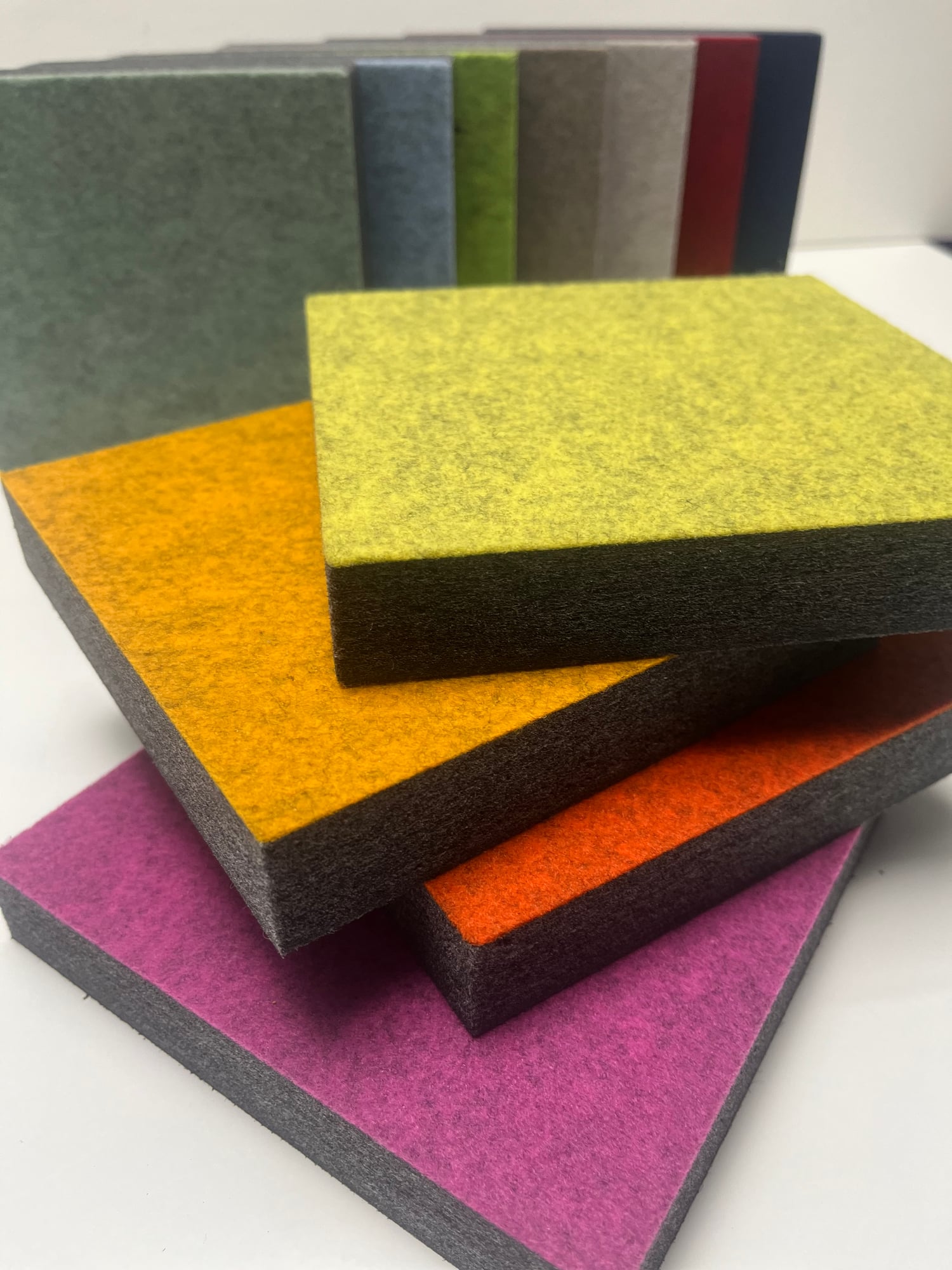
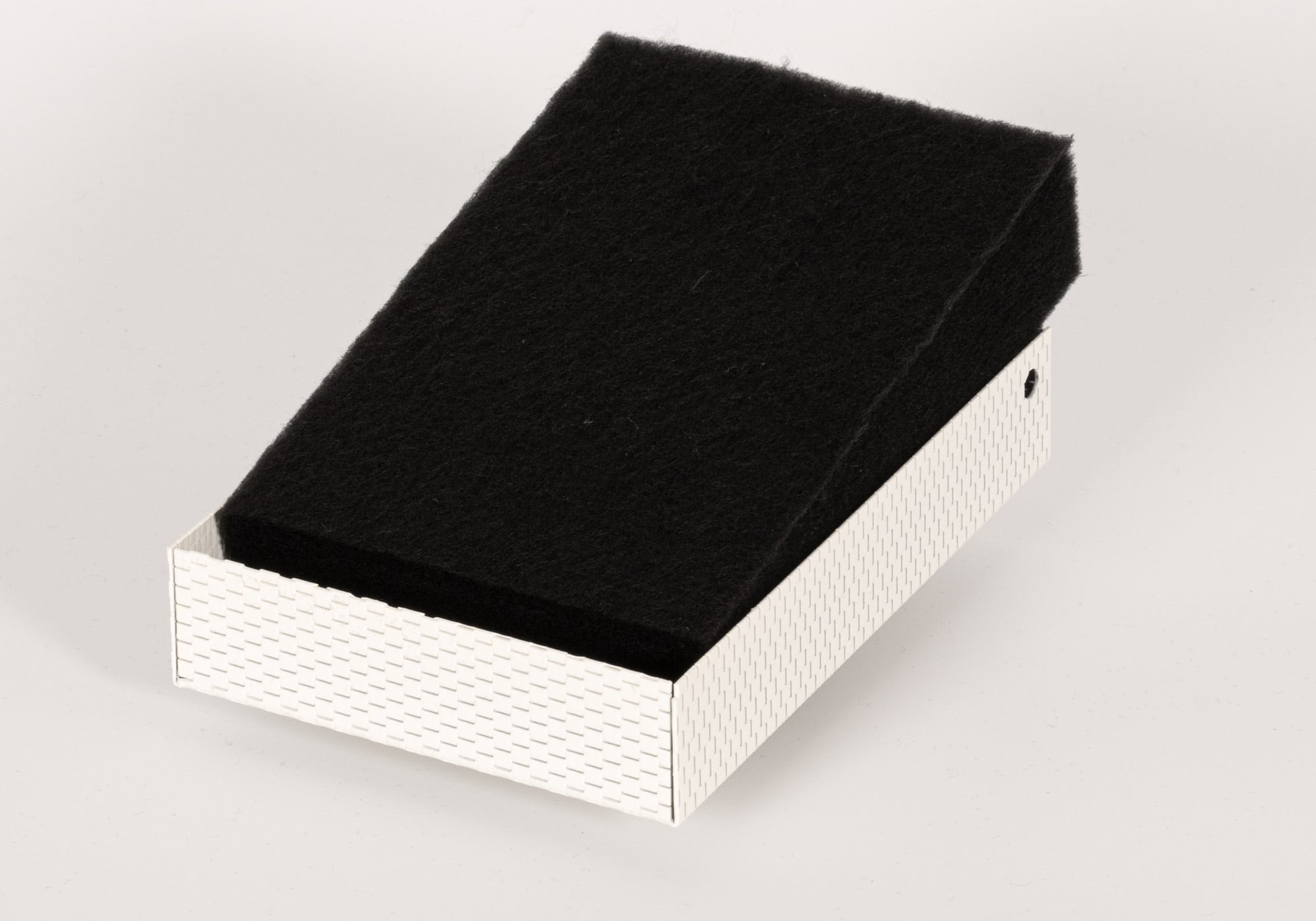
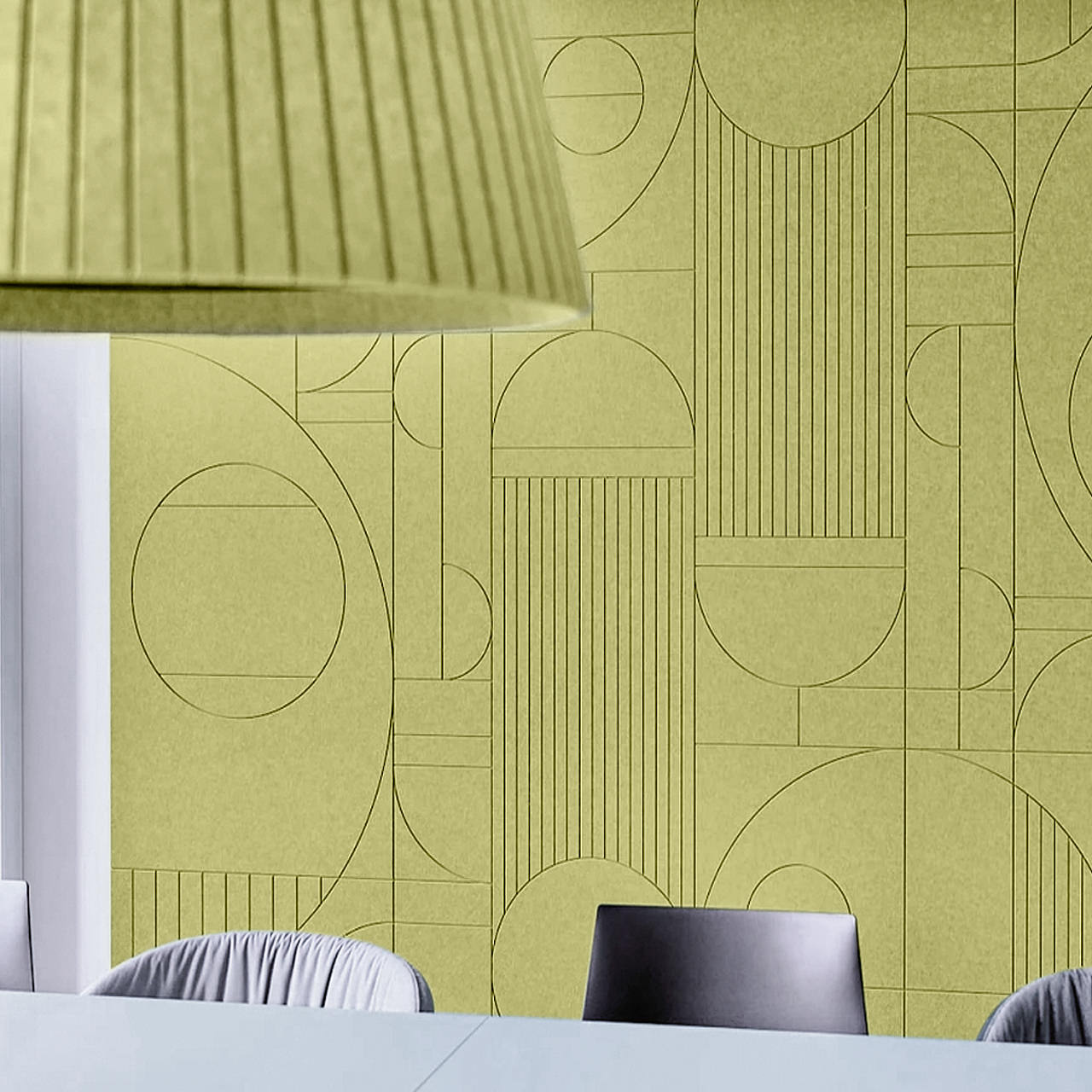
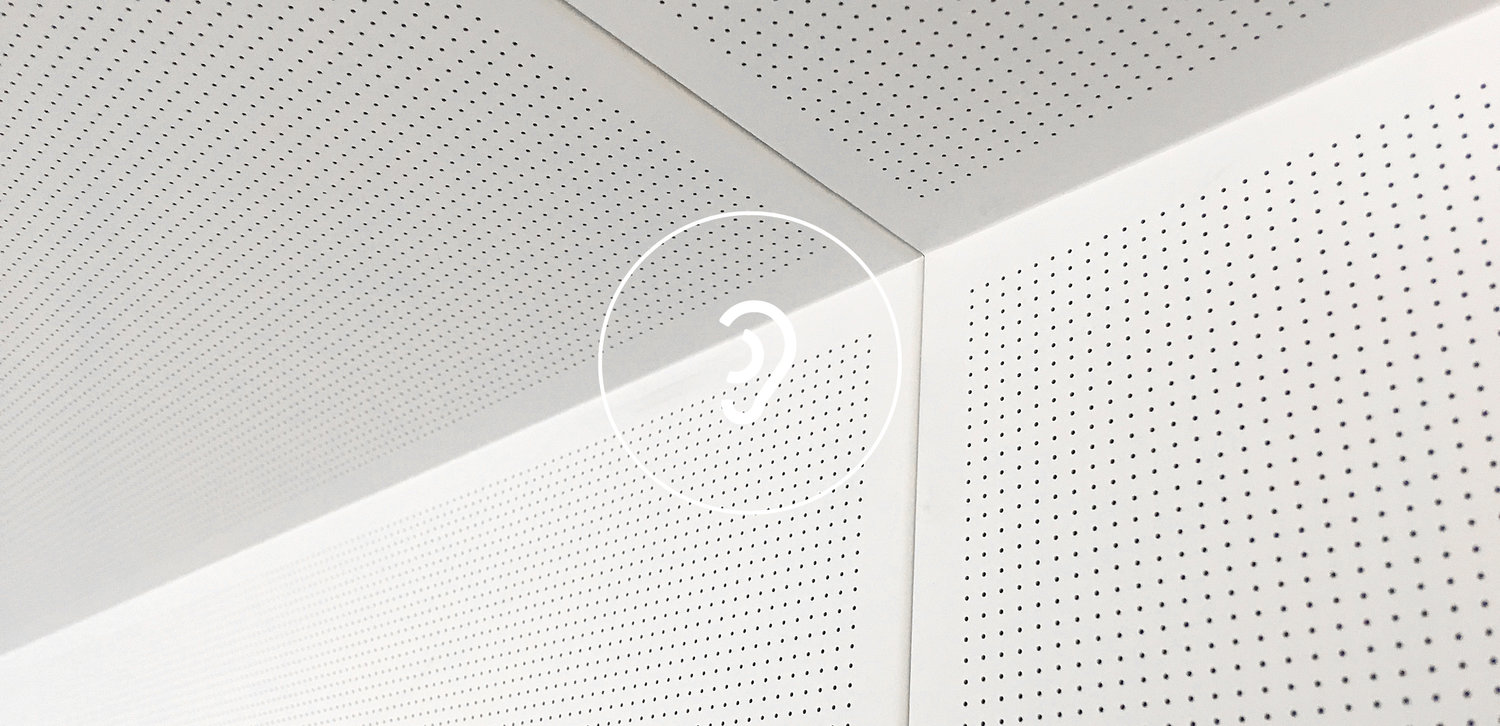
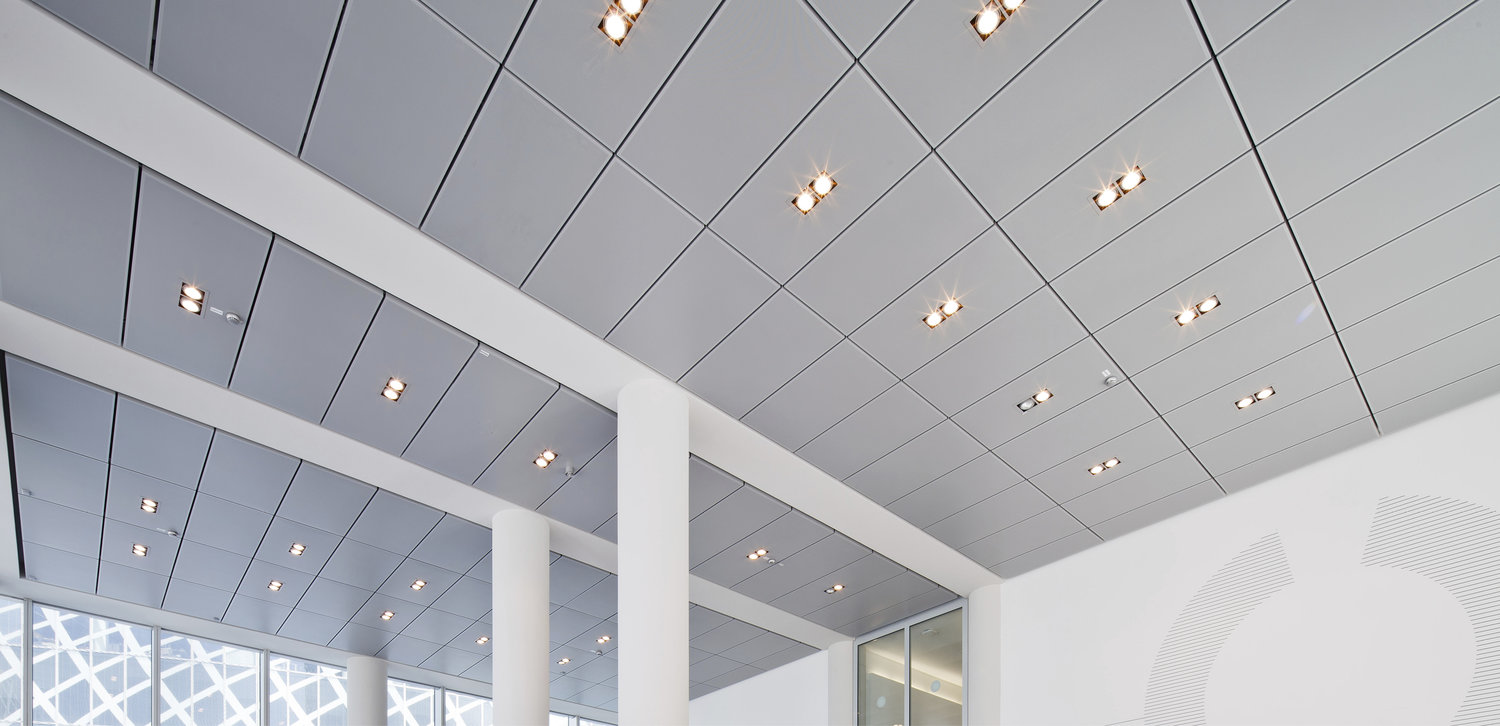
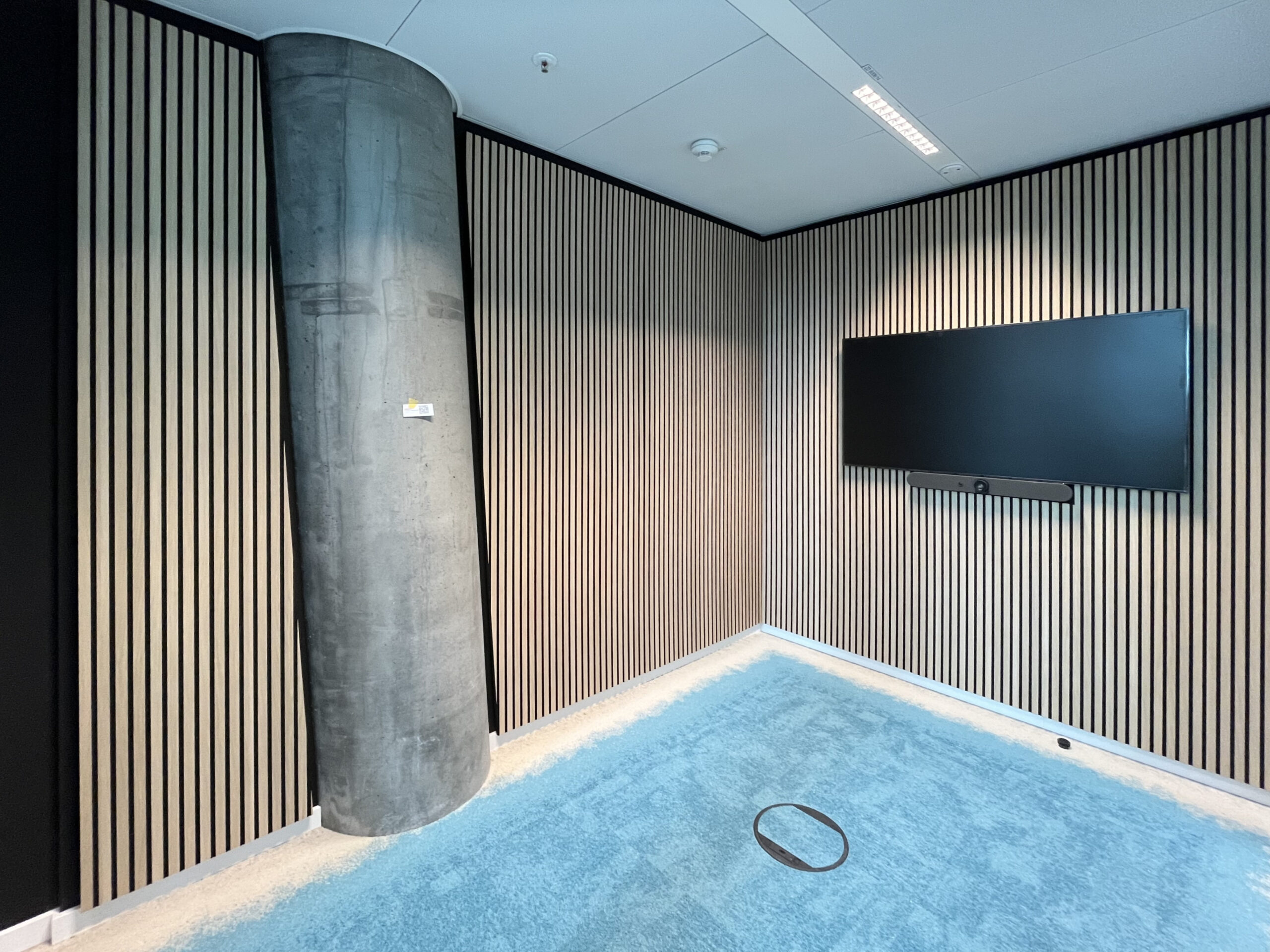
A sound absorber is usually a porous material that converts sound energy into heat and so reduces reflections and reverberation. The main forms are ceiling absorbers, wall absorbers, free-standing partitions and suspended ceiling rafts or baffles. A strong broadband absorber reaches αw 0.8 to 1.0.
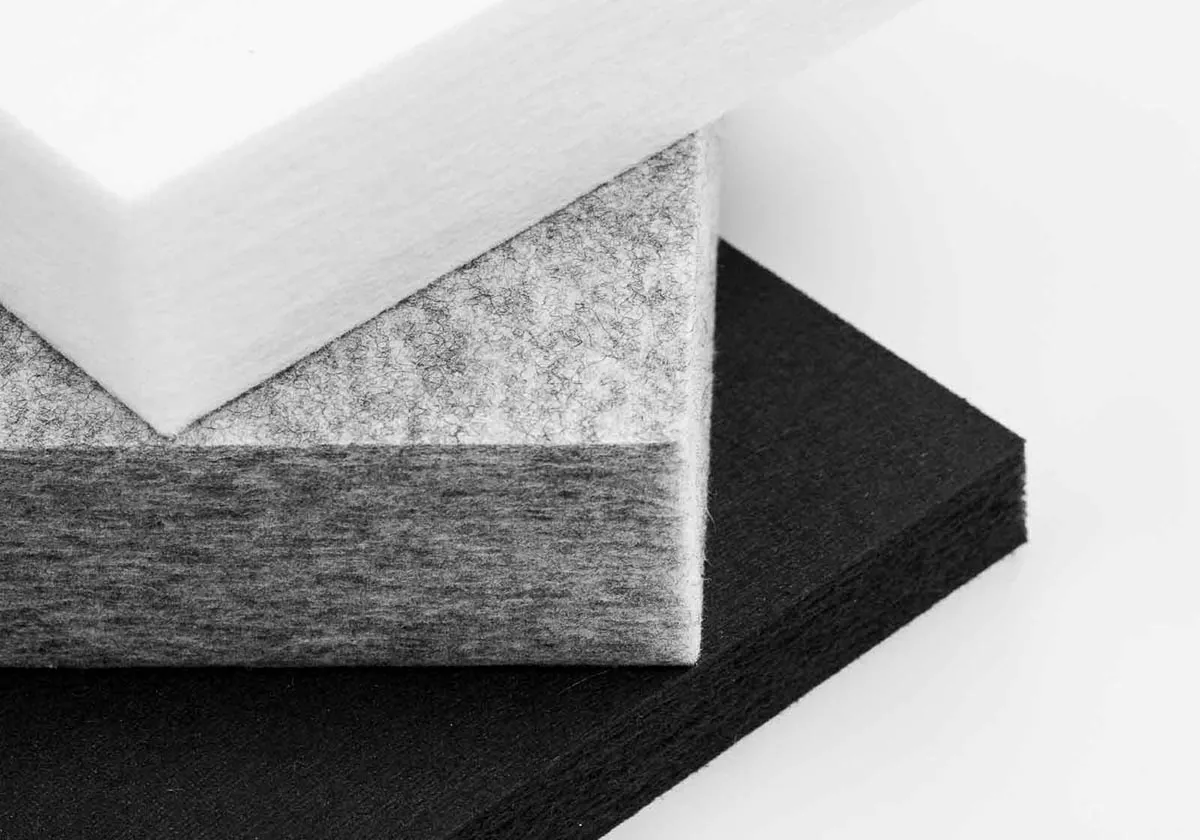
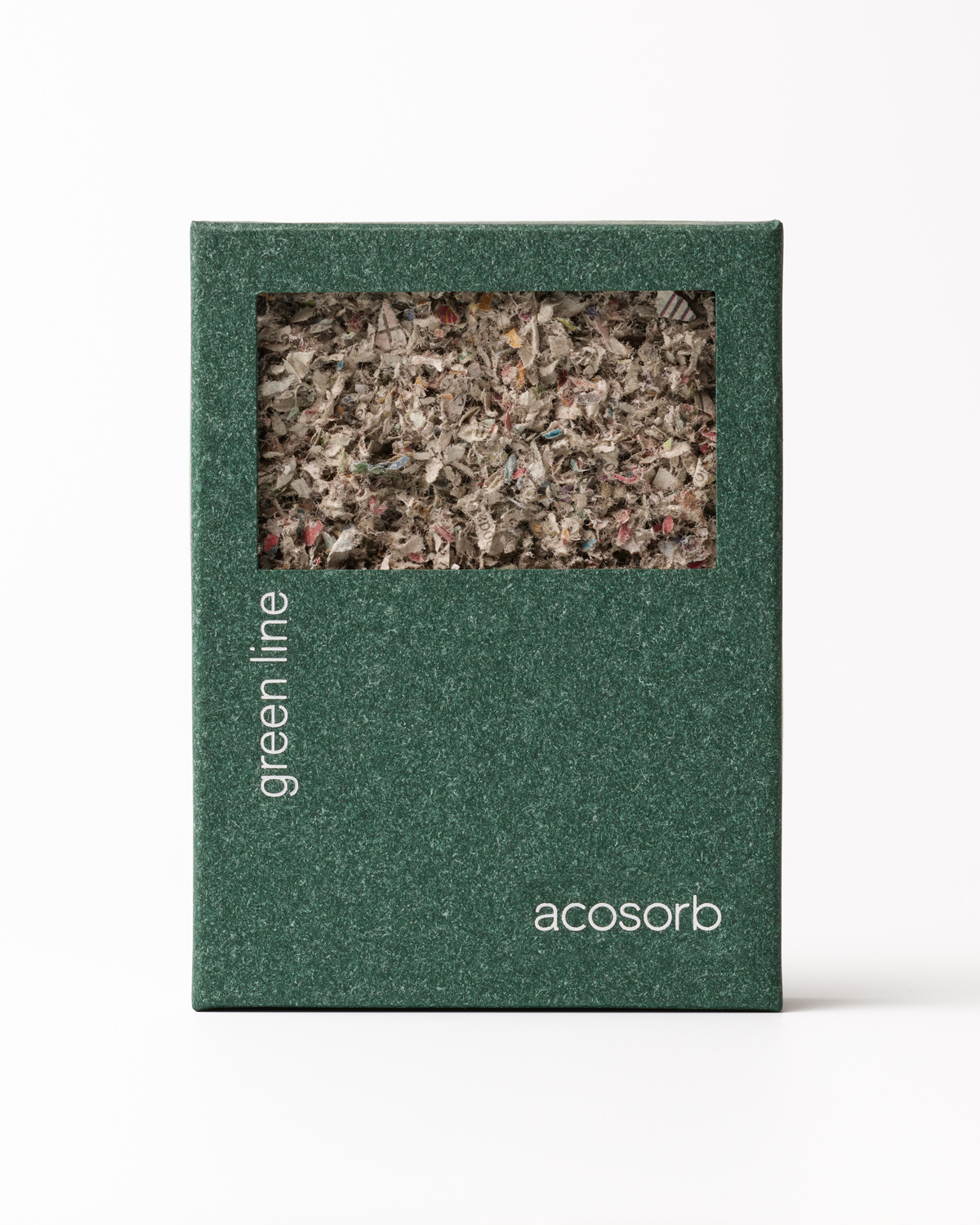
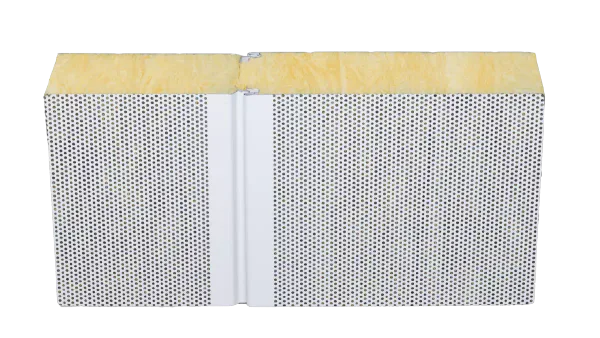
Porous absorbers such as mineral wool, polyester fibre or melamine foam slow the air movement inside their fine pores. The sound energy is turned into a small amount of heat instead of being reflected off the hard surface. Depending on thickness, material and mounting gap, an absorber works more strongly at high frequencies or also at low ones.
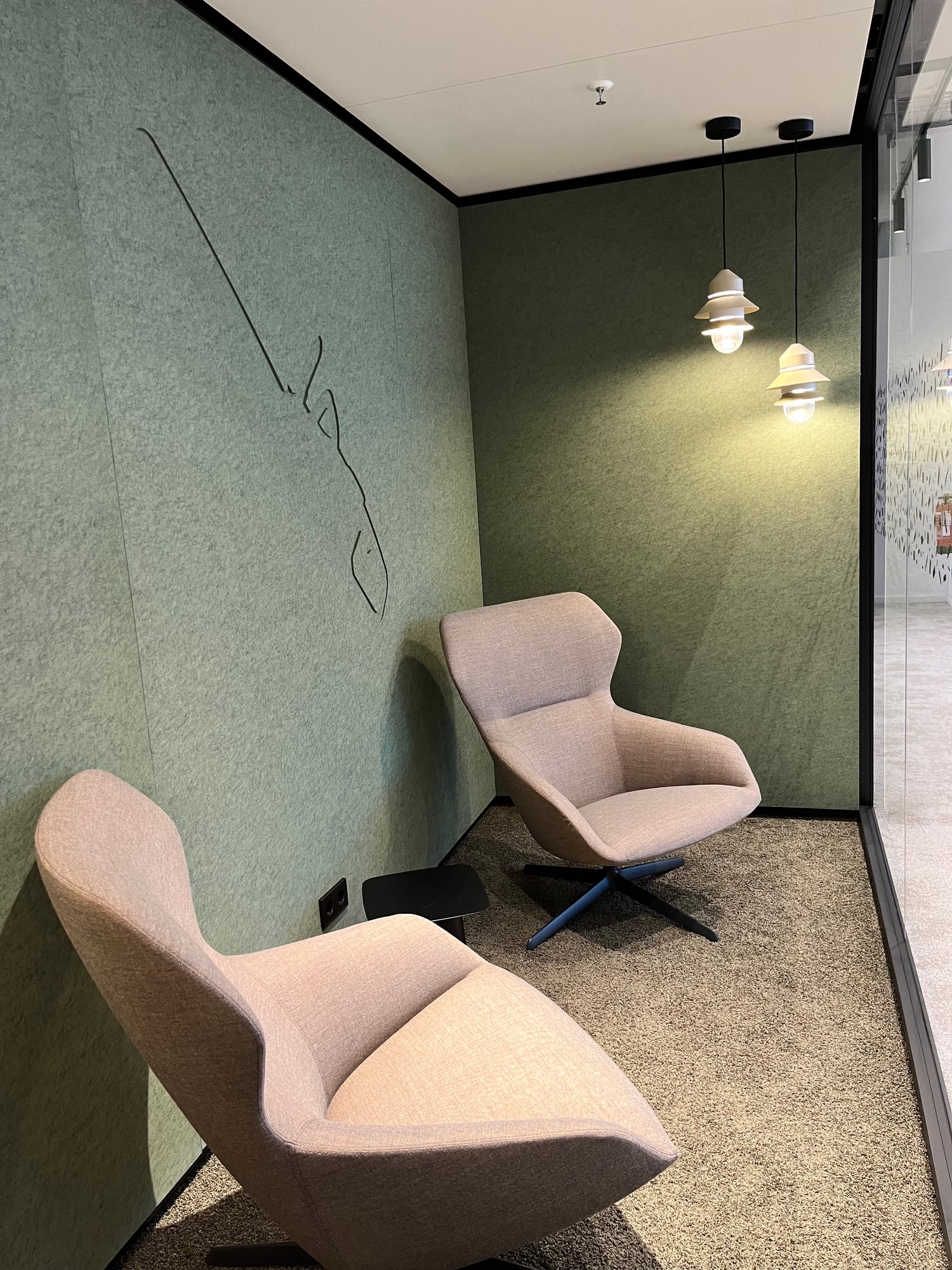
Which type fits depends on the room, the problem frequency range and the available surface. The ceiling is usually the largest free surface and lowers the overall level most effectively. Wall absorbers damp targeted reflections, free-standing partitions separate workstations, and suspended rafts or baffles help in tall rooms with little usable wall area.
Last updated: 28 June 2026
- ceiling, wall, free-standing, suspended
- 4 forms